
Most people know their phone number by heart. Many can recite their Wi-Fi password without thinking. But ask someone what their blood pressure was at their last checkup, and you’ll often get a blank stare.
That’s surprising because blood pressure is one of the most important measurements of your overall health.
Unlike a fever or a broken bone, high blood pressure usually doesn’t cause pain or obvious symptoms. Many people feel completely healthy while their blood pressure remains higher than recommended. That’s why healthcare professionals often refer to it as a “silent” health concern.
Knowing your numbers—and understanding what they mean—is a simple step that can help you take better care of your long-term health.
First Things First: What Is Blood Pressure?
Every time your heart beats, it pushes blood through a network of arteries that carries oxygen and nutrients throughout your body.
Blood pressure is the force of that blood pushing against the walls of your arteries.
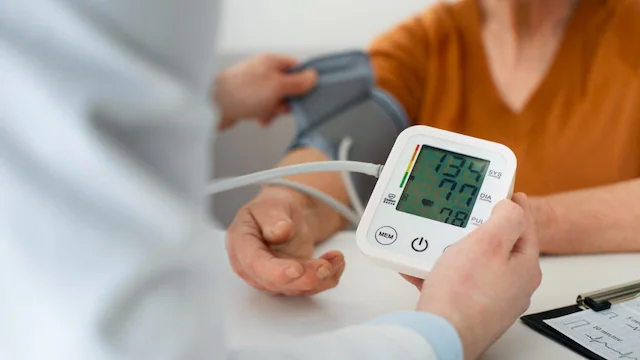
When your blood pressure is measured, you’ll see two numbers.
For example:
120/80 mm Hg
Here’s what they represent:
- Top number (Systolic Pressure): The pressure when your heart contracts and pumps blood.
- Bottom number (Diastolic Pressure): The pressure when your heart relaxes between beats.
Both numbers provide important information about how your cardiovascular system is functioning.
Why High Blood Pressure Often Goes Unnoticed
Many health conditions make themselves known through pain or discomfort.
High blood pressure usually doesn’t.
You can continue working, exercising, and going about your daily routine without realizing anything has changed.
That’s why routine health checkups are so valuable.
A quick blood pressure reading takes less than a minute, yet it provides useful information that may help identify potential health concerns early.
What Can Cause Blood Pressure to Rise?
Blood pressure naturally changes throughout the day.
It may temporarily increase during exercise, stressful situations, or even after drinking coffee.
Long-term elevated blood pressure, however, can be influenced by several factors, including:
- Getting older
- Family history
- Carrying excess body weight
- Eating too much sodium
- Physical inactivity
- Smoking
- Excessive alcohol consumption
- Chronic stress
- Certain medical conditions
Having one or more risk factors doesn’t mean you’ll definitely develop high blood pressure, but it’s worth discussing them with your healthcare provider.
Small Lifestyle Changes Can Make a Big Difference
The good news is that healthy daily habits support overall heart health.
Move More Often
Regular physical activity helps strengthen your heart.
Activities such as:
- Brisk walking
- Cycling
- Swimming
- Dancing
- Gardening
all contribute to a more active lifestyle.
Aim for movement that you genuinely enjoy, making it easier to stay consistent.
Fill Your Plate with Heart-Friendly Foods
Your eating habits affect more than your waistline.
Building meals around nutrient-rich foods supports overall cardiovascular health.
Include foods like:
- Leafy green vegetables
- Fresh fruit
- Whole grains
- Beans
- Nuts
- Fish
- Low-fat dairy products
Limiting heavily processed foods and excess sodium may also benefit many adults.
Maintain a Healthy Weight
Even modest improvements in weight can support heart health for individuals who have overweight or obesity.
Instead of chasing fad diets, focus on balanced eating habits you can maintain over the long term.
Learn Healthier Ways to Handle Stress
Stress is part of life, but chronic stress may affect your overall well-being.
Healthy coping strategies include:
- Walking outdoors
- Meditation
- Deep breathing
- Listening to music
- Spending time with family
- Reading
Taking care of your mental health also benefits your physical health.
How Often Should You Check Your Blood Pressure?
The answer depends on your age, health history, and recommendations from your healthcare provider.
Some adults only need blood pressure measured during routine wellness visits.
Others may benefit from checking it more frequently, especially if they have known cardiovascular risk factors.
Home blood pressure monitors can also be useful when recommended by a healthcare professional.
If you’re monitoring your blood pressure at home, try to measure it at roughly the same time each day while following your device’s instructions carefully.
Common Myths Worth Clearing Up
“I Feel Fine, So My Blood Pressure Must Be Normal.”
Not necessarily.
High blood pressure often develops without noticeable symptoms.
The only reliable way to know your blood pressure is to have it measured.
“Only Older Adults Need to Worry About Blood Pressure.”
Although the risk generally increases with age, elevated blood pressure can affect younger adults as well.
Healthy habits are valuable at every stage of life.
“Medication Is the Only Solution.”
Treatment varies from person to person.
For some individuals, lifestyle changes play an important role.
Others may also need medication based on their healthcare provider’s recommendations.
Never stop or adjust prescribed medication without medical advice.
Questions Worth Asking at Your Next Checkup
Taking an active role in your healthcare begins with asking questions.
Consider discussing these topics during your next appointment:
- What was my blood pressure today?
- Is it within a healthy range for me?
- How often should I have it checked?
- Are there lifestyle changes that could benefit my heart health?
- Should I monitor my blood pressure at home?
Understanding your numbers makes it easier to participate in your own healthcare decisions.
Healthy Habits That Support Your Heart Every Day
You don’t have to overhaul your lifestyle overnight.
Simple actions can make a meaningful difference over time.
✔ Choose water more often than sugary drinks.
✔ Add more vegetables to your meals.
✔ Take a walk after dinner.
✔ Get enough sleep.
✔ Avoid smoking.
✔ Stay physically active throughout the week.
✔ Keep routine medical appointments.
Small habits repeated consistently often produce the greatest long-term benefits.
Looking Ahead
Blood pressure may be just two numbers on a medical chart, but those numbers provide valuable insight into your cardiovascular health. Because high blood pressure often develops quietly, regular monitoring is one of the simplest ways to stay informed about your well-being.
You don’t need to wait until you feel unwell to start protecting your heart. By staying active, eating balanced meals, managing stress, and keeping up with routine checkups, you’re investing in your health for years to come.
Knowing your blood pressure isn’t about finding something to worry about—it’s about giving yourself the knowledge to make informed, healthy decisions.