You probably don’t spend much time thinking about your kidneys.
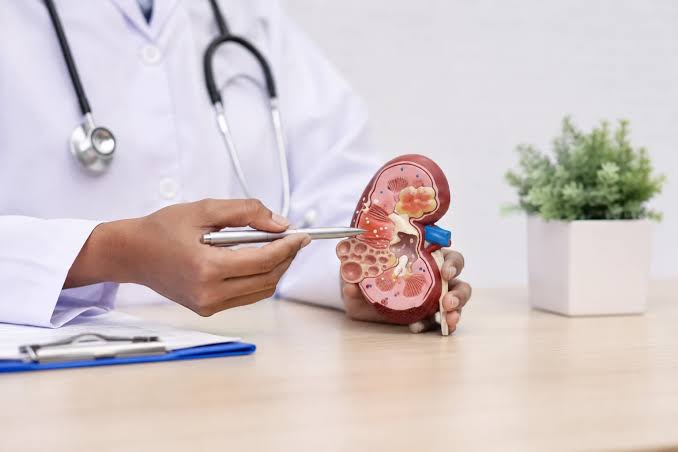
They’re not something you can see or feel working. They don’t usually demand attention the way a sore throat or an aching back does. Yet these two bean-shaped organs quietly perform some of the most important jobs in your body every single day.
They filter waste from your blood, help control blood pressure, balance fluids, support bone health, and produce hormones that help make red blood cells.
The problem is that chronic kidney disease (CKD) often develops silently. Many people don’t realize anything is wrong until the condition has already progressed.
Understanding your risk—and recognizing why regular screening matters—can make a significant difference.
Imagine This…
Michael is 56 years old. He works full-time, walks his dog every evening, and rarely misses a day of work.
He doesn’t have pain.
He doesn’t feel sick.
During an annual physical, his doctor orders routine blood work and a simple urine test.
A few days later, Michael learns his kidneys aren’t filtering blood as well as they should.
He never noticed a symptom.
Stories like this are common because early-stage chronic kidney disease often causes no obvious warning signs.
What Is Chronic Kidney Disease?
Chronic kidney disease is a long-term condition in which the kidneys gradually lose their ability to filter waste and excess fluid from the blood.
This process usually happens slowly over months or years.
When kidney function declines, waste products can begin to build up in the body, affecting overall health.
The earlier CKD is detected, the more opportunities there may be to slow its progression through appropriate medical care and lifestyle changes.
Who Has a Higher Risk?
Anyone can develop chronic kidney disease, but some people are more likely to experience it.
Your risk may be higher if you:
- Have diabetes
- Have high blood pressure
- Are age 60 or older
- Have heart disease
- Have obesity
- Have a family history of kidney disease
- Smoke
- Have experienced repeated kidney infections
If several of these apply to you, ask your healthcare provider whether kidney screening is appropriate.
Why Early Symptoms Are Easy to Miss
In the beginning, CKD often causes few—or no—noticeable symptoms.
As kidney function declines, some people may experience:
- Swollen ankles or feet
- Ongoing fatigue
- Dry, itchy skin
- Changes in urination
- Muscle cramps
- Poor appetite
- Difficulty concentrating
These symptoms can have many different causes and don’t automatically mean kidney disease. However, persistent changes should always be evaluated by a healthcare professional.
How Doctors Check Kidney Health
The good news is that checking kidney function doesn’t usually require complicated testing.
Common evaluations include:
Blood Tests
A blood test can help estimate how well your kidneys are filtering waste products.
Urine Tests
Urine testing helps identify whether protein or other substances are leaking into the urine, which may signal kidney damage.
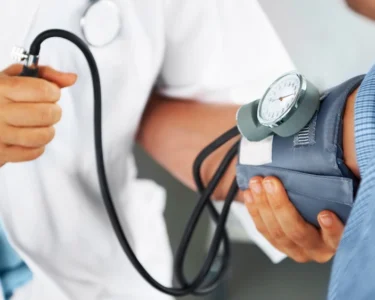
Blood Pressure Checks
Because high blood pressure and kidney disease are closely connected, routine monitoring is an important part of kidney health.
Your healthcare provider may recommend additional testing depending on your individual health history.
Five Habits That Support Healthy Kidneys
While not every case of kidney disease can be prevented, healthy daily habits support overall kidney health.
Keep Blood Pressure Under Control
Managing blood pressure is one of the most important ways to help protect your kidneys.
Follow your healthcare provider’s recommendations regarding lifestyle changes and prescribed medications.
Manage Blood Sugar
For people with diabetes, maintaining healthy blood sugar levels plays a major role in protecting kidney function over time.
Stay Hydrated
Water helps your body perform many essential functions.
While hydration needs vary from person to person, drinking adequate fluids throughout the day supports overall health.
Avoid Smoking
Smoking affects blood vessels throughout the body, including those that supply the kidneys.
Quitting smoking offers benefits far beyond kidney health.
Don’t Skip Preventive Checkups
Routine medical visits allow healthcare providers to identify changes in kidney function before symptoms appear.
Early detection often leads to more treatment options.
A Few Questions Patients Commonly Ask
Can kidney disease be cured?
Treatment depends on the underlying cause and stage of the disease. Your healthcare provider can explain the most appropriate approach for your situation.
Should I drink more water to prevent kidney disease?
Adequate hydration supports overall health, but drinking excessive amounts of water isn’t a guaranteed way to prevent kidney disease.
Is kidney disease only a concern for older adults?
Risk generally increases with age, but kidney disease can affect adults of many ages, especially those with diabetes or high blood pressure.
Three Numbers Worth Knowing
Most people know their weight.
Many know their cholesterol.
Far fewer know these important kidney-related health indicators:
- Your blood pressure
- Your blood sugar (if recommended by your provider)
- Your kidney function test results
These numbers provide valuable insight into your long-term health.
Your Future Health Starts with Today’s Checkup
One of the biggest challenges with chronic kidney disease is that it often whispers instead of shouts. By the time symptoms become obvious, significant damage may already have occurred.
The good news is that routine blood work, urine testing, and regular medical checkups can help detect kidney problems earlier—sometimes before you notice any changes at all.
You may never think about your kidneys on a typical day, but they work tirelessly for you around the clock. Taking steps to protect them today is an investment in your health for years to come.