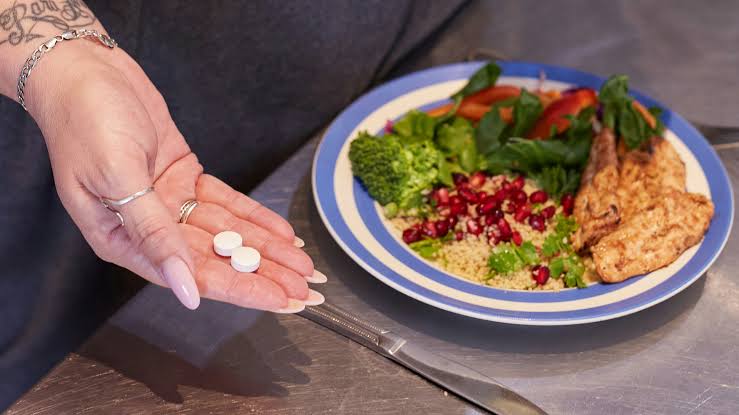
You pick up a new prescription from the pharmacy, glance at the label, and notice a short instruction:
“Take with food.”
Or maybe it says:
“Take on an empty stomach.”
Easy enough… until you realize you’re not exactly sure what those instructions mean.
Does a cup of coffee count as breakfast? Is a few crackers enough? How long do you need to wait after eating before taking your medicine?
These questions come up every day in pharmacies across the United States, and the answers matter more than many people realize. Taking medicine at the wrong time can sometimes reduce how well it works or increase the chance of side effects.
Let’s clear up some of the confusion.
What Does “Take With Food” Actually Mean?
When a medication label says “take with food,” it usually means you should take it during a meal or shortly afterward.
For many medicines, food helps by:
- Reducing stomach irritation
- Improving how the medicine is absorbed
- Lowering the chance of nausea
- Making the medication easier to tolerate
A full meal isn’t always necessary, but a few bites of food may not be enough either.
If your prescription has specific instructions, follow those directions carefully.
What Counts as an Empty Stomach?
This instruction often causes the most confusion.
In general, an empty stomach means:
- Taking the medication at least 1 hour before eating, or
- Waiting about 2 hours after a meal before taking it.
Some medications need an empty stomach because food can interfere with how your body absorbs the active ingredient.
Your pharmacist can tell you if your medication has special timing requirements.
Why Timing Matters
Imagine planting seeds in a garden.
Some grow best in sunlight.
Others thrive in shade.
Medicines work in a similar way.
Some are designed to work best when food is present, while others perform better when your stomach is empty.
Following the recommended timing helps give your medication the best chance to work as intended.
Common Medicines That May Need Food
Some medications are less likely to upset your stomach when taken with meals.
Examples include certain:
- Pain relievers
- Anti-inflammatory medicines
- Steroids
- Diabetes medications
The recommendation depends on the specific drug—not the general category.
Always follow your prescription label.
Medicines That Are Often Taken on an Empty Stomach
Certain medications may be absorbed more effectively without food.
Examples may include some:
- Thyroid medications
- Osteoporosis medicines
- Certain antibiotics
Again, not every medication in these categories has the same instructions.
Read your medication guide carefully.
Five Everyday Mistakes People Make
Medication timing sounds simple, but small mistakes happen all the time.
Washing It Down With Coffee
Coffee can affect the absorption of some medicines and may interact with certain medications.
Water is usually the safest choice unless your healthcare provider recommends otherwise.
Taking Medicine With Alcohol
Alcohol may interfere with medications or increase side effects.
If you’re unsure whether alcohol is safe with your prescription, ask your pharmacist.
Crushing Tablets Without Asking
Not every tablet is designed to be crushed.
Some medicines have special coatings or extended-release formulas that should remain intact.
Taking Supplements at the Same Time
Calcium, iron, and magnesium supplements can interfere with the absorption of certain prescription medications.
Spacing them apart may be recommended.
Guessing Instead of Asking
Never assume two medications have the same instructions simply because they treat similar conditions.
When in doubt, ask.
Quick Answers to Common Questions
Is coffee considered food?
Usually, no.
Coffee is not generally considered a meal, and some medications should not be taken with coffee alone.
Can I take medicine with milk?
Some medications can be taken with milk, while others should not because calcium may interfere with absorption.
Check your medication instructions.
What if I forgot and already ate?
Don’t panic.
The best next step depends on the medication.
Follow the instructions provided with your prescription or contact your pharmacist for guidance.
Pharmacy Tip
When you pick up a new prescription, ask one extra question before leaving:
“Should I take this with food, without food, or does it matter?”
It takes less than 30 seconds, and the answer could help your medication work more effectively.
The Bottom Shelf Isn’t the Same as the Bottom Line
The pharmacy shelf may hold hundreds of different medications, but none of them should be taken based on guesswork.
Simple instructions like “take with food” or “take on an empty stomach” are there for a reason. They help your body absorb the medicine properly, reduce unwanted side effects, and improve the chances that your treatment will work as intended.
The next time you start a new prescription, don’t just read the label—understand it. If anything seems unclear, your pharmacist is only a few steps away and is one of the best resources for answering medication questions safely.