

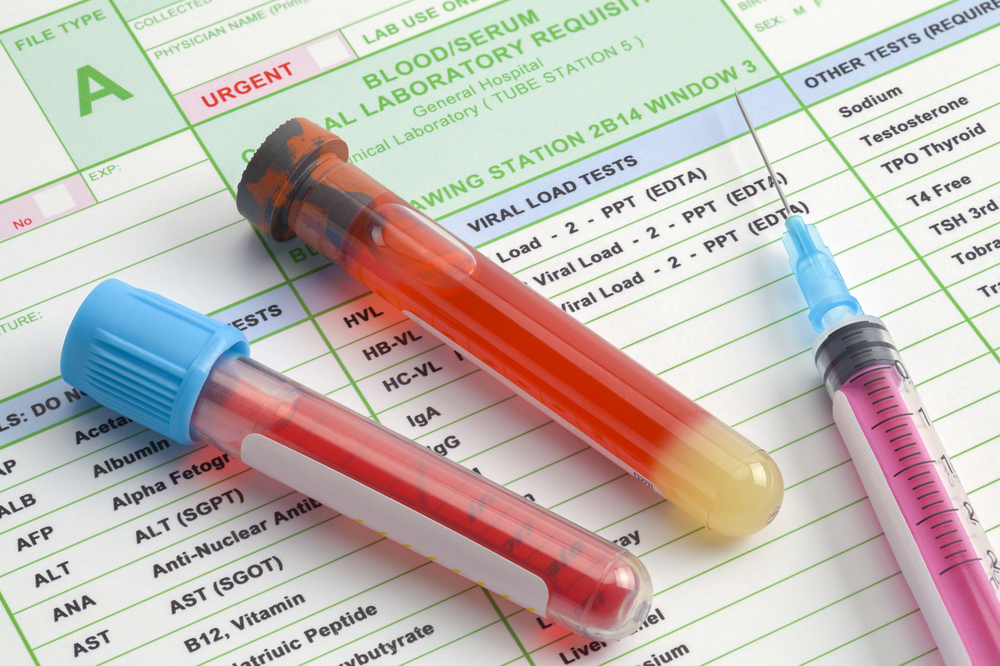
Getting routine blood work is one of the most common parts of an annual physical. Within a few days, your patient portal may fill with numbers, abbreviations, and medical terms that seem impossible to understand. It’s easy to glance at the report, see a few values highlighted in red, and immediately start searching the internet for answers.
Before jumping to conclusions, it’s important to know that blood test results are only one piece of the puzzle.
Doctors don’t evaluate lab numbers in isolation. They also consider your age, medical history, medications, symptoms, lifestyle, and previous test results before making any diagnosis.
Still, understanding the basics of a routine blood test can help you have more informed conversations during your next healthcare appointment.
Why Routine Blood Tests Matter
Blood travels through every part of your body, carrying oxygen, nutrients, hormones, and immune cells. Because of this, a simple blood sample can provide valuable information about how different organs and systems are functioning.
Routine blood work may help healthcare providers:
- Monitor your overall health
- Detect potential problems early
- Evaluate the effectiveness of certain treatments
- Identify nutritional deficiencies
- Track changes over time
Many conditions develop gradually, so regular testing can help identify changes before noticeable symptoms appear.
A Complete Blood Count (CBC)
One of the most frequently ordered lab tests is the Complete Blood Count, commonly called a CBC.
This test measures several different types of blood cells.
Red Blood Cells (RBC)
Red blood cells carry oxygen from your lungs to the rest of your body.
If levels are lower or higher than expected, your healthcare provider may recommend additional testing to determine the cause.
White Blood Cells (WBC)
White blood cells are part of your immune system.
Changes in white blood cell counts can occur for many different reasons, including infections, inflammation, certain medications, and other medical conditions.
Only a healthcare professional can interpret these results within the context of your overall health.
Platelets
Platelets help your blood clot after an injury.
Abnormal platelet counts may require additional evaluation depending on your symptoms and medical history.
Comprehensive Metabolic Panel (CMP)
Another common laboratory test is the Comprehensive Metabolic Panel.
This group of tests provides information about several important areas of your health.
It may include measurements related to:
- Blood sugar
- Kidney function
- Liver function
- Electrolytes
- Protein levels
Rather than focusing on one number, healthcare providers evaluate the overall pattern of results.
Cholesterol Testing
A lipid panel measures different types of fats in your blood.
You may see terms such as:
- Total cholesterol
- HDL cholesterol
- LDL cholesterol
- Triglycerides
Each measurement provides different information about cardiovascular health.
Instead of trying to interpret these numbers yourself, ask your healthcare provider how they relate to your individual risk factors and overall health goals.
Blood Sugar Tests
Routine lab work may include tests that help evaluate how your body processes glucose.
Depending on your healthcare provider’s recommendations, you might see:
- Fasting blood glucose
- Hemoglobin A1C
These tests provide different types of information and may be used together when evaluating blood sugar levels over time.
What Does “Normal Range” Actually Mean?
One of the most misunderstood parts of a lab report is the reference range.
Reference ranges are based on measurements collected from large groups of healthy individuals.
Being slightly above or below that range doesn’t automatically mean something is wrong.
Many factors can influence lab results, including:
- Age
- Sex
- Hydration
- Recent illness
- Medications
- Time of day
- Recent physical activity
This is one reason healthcare providers rarely make decisions based on a single number alone.
Should You Be Concerned About Highlighted Results?
Most laboratory reports automatically highlight values that fall outside the reference range.
While these highlights are useful, they don’t necessarily indicate a serious medical problem.
Sometimes results are only slightly outside the expected range.
Other times, your healthcare provider may recommend repeating the test before drawing conclusions.
Avoid assuming the worst based solely on online searches.
Preparing for Your Next Blood Test
A little preparation can help produce more reliable results.
Before your appointment:
- Follow fasting instructions if provided.
- Drink water unless instructed otherwise.
- Bring a list of medications and supplements.
- Inform your provider about any recent illnesses.
- Ask whether vigorous exercise should be avoided beforehand.
Always follow the specific instructions given by your healthcare team.
Questions to Ask During Your Appointment
Instead of simply accepting a printed report, use the opportunity to learn more about your health.
Helpful questions include:
- Were all of my results within the expected range?
- Have any values changed since my last blood test?
- Should any tests be repeated?
- Are lifestyle changes recommended?
- Do my current medications affect any of these results?
These conversations often provide far more value than trying to interpret every number on your own.
Healthy Habits That Support Better Lab Results
Although some health factors are influenced by genetics, many aspects of overall wellness are shaped by everyday choices.
Consider focusing on:
- Eating a balanced diet rich in fruits and vegetables
- Staying physically active
- Drinking enough water
- Getting adequate sleep
- Managing stress
- Avoiding tobacco products
- Keeping routine medical appointments
These habits support your overall health regardless of the numbers on a lab report.
The Bigger Picture
A blood test is an important health tool, but it’s not a report card on your lifestyle or a diagnosis by itself. Every result needs to be interpreted within the context of your personal health history and current medical condition.
Instead of feeling overwhelmed by unfamiliar medical terms, think of routine blood work as an opportunity to better understand your body. By asking questions, attending regular checkups, and maintaining healthy daily habits, you’ll be better prepared to work with your healthcare provider to protect your long-term health.
Knowledge is powerful—but when it comes to your blood test results, the most valuable knowledge comes from discussing them with the medical professional who knows your complete health picture.