
Mark was 52 when he noticed he was slowing down.
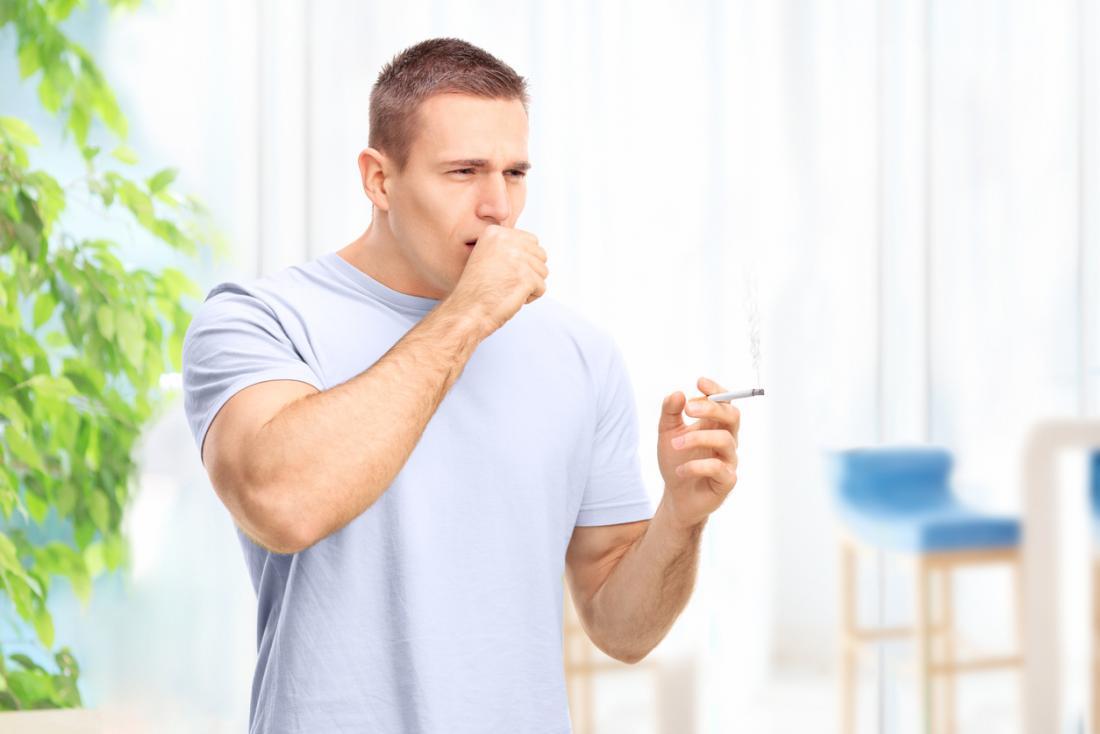
Walking across the parking lot left him more winded than usual. Climbing stairs required an extra pause. The cough he’d had for years? He blamed it on getting older and the cigarettes he smoked decades ago.
When he finally mentioned it during a routine doctor’s visit, his physician recommended a breathing test.
The diagnosis surprised him: Chronic Obstructive Pulmonary Disease (COPD).
Stories like Mark’s are common because COPD often develops gradually. Many people live with symptoms for years before realizing there’s an underlying lung condition.
If you or someone you love has a persistent cough or increasing shortness of breath, understanding the warning signs may help you know when it’s time to seek medical advice.
What Exactly Is COPD?
COPD is a long-term lung disease that makes it harder to move air in and out of the lungs.
It’s not a single condition but a group of diseases that includes:
- Chronic bronchitis, which causes ongoing inflammation of the airways.
- Emphysema, which damages the tiny air sacs in the lungs.
Over time, breathing may become more difficult, especially during physical activity.
Although COPD cannot currently be cured, early diagnosis and treatment can help manage symptoms and improve quality of life.
The Symptoms Often Start Small
COPD usually doesn’t appear overnight.
Instead, symptoms often become noticeable little by little.
Watch for changes such as:
A Cough That Never Really Goes Away
A cough lasting for months—especially one that produces mucus—shouldn’t simply be accepted as “normal.”
Persistent coughing deserves medical evaluation.
Shortness of Breath During Everyday Activities
Do you find yourself stopping halfway up the stairs?
Do simple household chores leave you unusually winded?
These gradual changes are easy to dismiss but can be important warning signs.
Wheezing
Some people notice a whistling or squeaking sound when breathing.
This can occur because narrowed airways make it harder for air to move freely.
Frequent Chest Infections
Repeated respiratory infections or lingering colds may also signal that your lungs aren’t functioning as efficiently as they once did.
Who Is Most at Risk?
Although anyone can develop COPD, some people face a higher risk.
Risk factors include:
- Current or former cigarette smoking
- Long-term exposure to secondhand smoke
- Occupational exposure to dust or chemical fumes
- Air pollution
- Certain rare genetic conditions
It’s important to remember that not everyone with COPD has smoked.
How Doctors Diagnose COPD
Diagnosing COPD involves more than listening to your lungs.
Your healthcare provider may recommend:
Spirometry
A breathing test that measures how much air you can exhale and how quickly.
Chest Imaging
X-rays or CT scans may help evaluate your lungs and rule out other conditions.
Medical History
Your provider will ask about symptoms, smoking history, work environment, and family history.
Together, these tools help create a clearer picture of your lung health.
Can COPD Be Treated?
While there’s currently no cure, treatment can often improve daily life and slow disease progression.
Depending on your situation, your treatment plan may include:
- Prescription inhalers
- Pulmonary rehabilitation
- Vaccinations to reduce the risk of respiratory infections
- Oxygen therapy for some people
- Regular physical activity
- Smoking cessation support
Treatment is personalized, so it’s important to follow your healthcare provider’s recommendations.
Five Ways to Support Your Lung Health
Whether you have COPD or simply want to protect your lungs, these habits can help.
Quit Smoking
Stopping smoking is one of the most important steps you can take if you smoke.
Even after years of smoking, quitting provides health benefits.
Stay Physically Active
Gentle exercise such as walking can help improve endurance and support overall health.
Always discuss activity levels with your healthcare provider if you have COPD.
Reduce Exposure to Lung Irritants
Avoid unnecessary exposure to smoke, dust, strong chemical fumes, and poor air quality whenever possible.
Keep Vaccinations Up to Date
Respiratory infections can be more serious for people living with chronic lung disease.
Discuss recommended vaccines with your healthcare provider.
Take Medications as Directed
If you’ve been prescribed inhalers or other medications, use them exactly as instructed—even on days when you feel well.
Quick Fact
Did you know?
Many people are diagnosed with COPD after age 40 because symptoms develop slowly over many years. That’s why regular checkups become increasingly important as you get older, especially if you’ve ever smoked or worked in environments with heavy dust or chemical exposure.
Before You Dismiss That Persistent Cough…
Not every lingering cough is COPD, and not every episode of shortness of breath signals a serious illness. However, symptoms that continue for weeks or gradually worsen shouldn’t simply be written off as part of aging.
Your lungs work tirelessly every moment of the day. Paying attention to changes in your breathing, seeking medical advice when symptoms persist, and following recommended treatment can help you stay active and maintain a better quality of life.
Sometimes the best time to take your lungs seriously is long before they force you to.