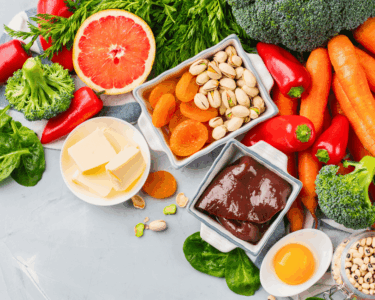

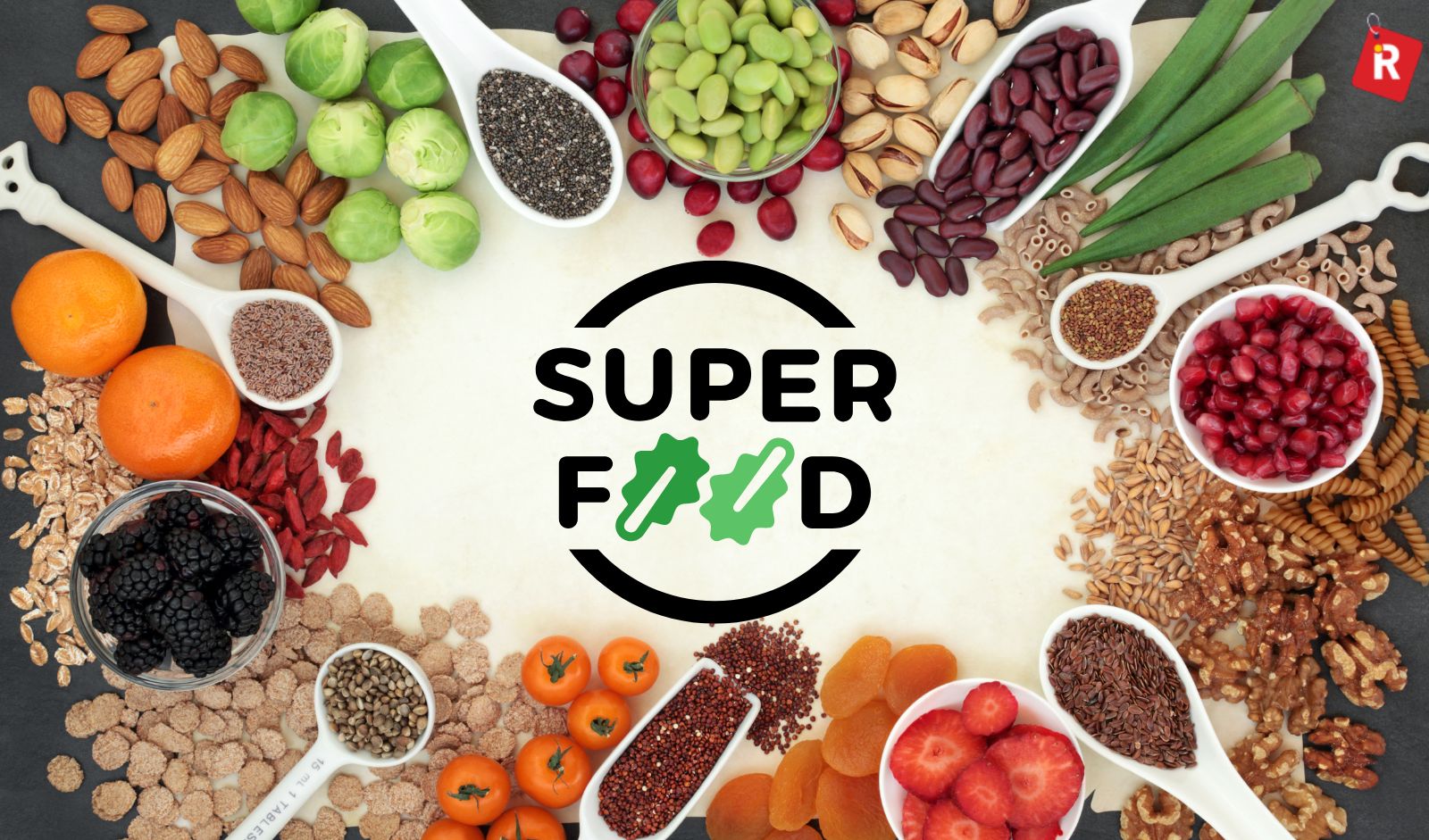
Scroll through social media or browse the health aisle at your local grocery store, and you’ll probably come across the word superfood. From chia seeds and blueberries to kale and quinoa, countless foods have earned this popular label. They’re often promoted as miracle ingredients that can boost energy, prevent disease, or transform your health overnight.
But is there really such a thing as a superfood?
The truth is a little more balanced. While many so-called superfoods are incredibly nutritious, no single food can replace an overall healthy eating pattern. Real wellness comes from consistently choosing a variety of nutrient-rich foods rather than relying on one “magic” ingredient.
If you’re wondering which superfoods deserve a place on your plate, here’s what you should know.
What Makes a Food a “Superfood”?
Interestingly, superfood isn’t a scientific or medical term. It’s primarily used in marketing to describe foods that are packed with vitamins, minerals, antioxidants, healthy fats, or fiber.
Many of these foods are genuinely good for you, but calling them “super” sometimes creates unrealistic expectations.
A handful of blueberries won’t erase an unhealthy diet, and eating kale every day won’t automatically improve your health. Instead, these foods work best when they’re part of a balanced eating plan filled with fruits, vegetables, whole grains, lean proteins, and healthy fats.
1. Blueberries: Small but Nutrient-Dense
Blueberries consistently rank among the healthiest fruits you can eat.
They’re naturally rich in antioxidants, vitamin C, manganese, and fiber. Their deep blue color comes from plant compounds called anthocyanins, which help protect cells from everyday oxidative stress.
Fresh or frozen blueberries are equally nutritious and can easily be added to:
- Oatmeal
- Yogurt
- Smoothies
- Salads
- Whole-grain pancakes
They’re naturally sweet, making them a healthier alternative to many processed desserts.
2. Salmon: A Heart-Healthy Choice
Salmon is one of the best dietary sources of omega-3 fatty acids, nutrients that support heart and brain health.
It’s also high in:
- Protein
- Vitamin D
- Vitamin B12
- Selenium
Grilled, baked, or air-fried salmon makes an excellent dinner option that’s both satisfying and nutritious.
If fresh salmon isn’t always available, canned salmon is another affordable choice that still provides valuable nutrients.
3. Leafy Greens Deserve Their Reputation
Spinach, kale, Swiss chard, and romaine lettuce are nutritional powerhouses.
They’re packed with:
- Vitamin A
- Vitamin C
- Vitamin K
- Folate
- Iron
- Fiber
The great thing about leafy greens is their versatility.
You can blend spinach into smoothies, toss kale into soups, or build colorful salads filled with a variety of vegetables.
4. Greek Yogurt Packs More Than Protein
Greek yogurt has become a staple in many American kitchens, and for good reason.
Compared to regular yogurt, it generally contains more protein while still providing calcium and other important nutrients.
Plain Greek yogurt can be enjoyed with:
- Fresh fruit
- Nuts
- Granola
- Honey (in moderation)
It also works as a healthier substitute for sour cream in many recipes.
5. Avocados Offer Healthy Fats
For years, people avoided avocados because of their fat content.
Today we know that the type of fat matters more than the amount.
Avocados contain mostly heart-friendly monounsaturated fats along with fiber, potassium, and several vitamins.
Spread avocado on whole-grain toast, slice it into salads, or add it to homemade tacos for a satisfying meal.
6. Beans Are an Underrated Superfood
While trendy imported foods often get the spotlight, humble beans remain one of the healthiest foods available.
Black beans, kidney beans, pinto beans, navy beans, and chickpeas provide an impressive combination of:
- Plant protein
- Fiber
- Iron
- Folate
- Magnesium
They’re affordable, filling, and easy to include in soups, burrito bowls, salads, and chili.
For families trying to eat healthier on a budget, beans are hard to beat.
7. Nuts and Seeds Make Smart Snacks
Almonds, walnuts, pistachios, pumpkin seeds, flaxseeds, and chia seeds all provide healthy fats, protein, fiber, and important minerals.
Because they’re calorie-dense, moderation is key, but a small handful can make a satisfying afternoon snack.
Adding nuts or seeds to oatmeal, salads, or yogurt is another simple way to boost nutrition.
Are Expensive Superfoods Really Better?
Not necessarily.
Many popular “superfoods” come with premium price tags, but equally nutritious alternatives are often much more affordable.
Instead of focusing only on imported specialty products, consider everyday foods such as:
- Apples
- Sweet potatoes
- Broccoli
- Carrots
- Oats
- Eggs
- Beans
- Oranges
These foods provide excellent nutrition without stretching your grocery budget.
Healthy eating doesn’t have to be expensive.
Building a Super Plate Instead of Chasing Superfoods
Rather than searching for one perfect food, think about creating balanced meals.
A nutritious plate might include:
- Grilled chicken or salmon
- Brown rice or quinoa
- Steamed broccoli
- Mixed greens
- Fresh berries for dessert
Every ingredient contributes something valuable, and together they provide a wide range of nutrients.
This approach is much more sustainable than constantly chasing the latest nutrition trend.
Don’t Believe Every Health Claim
Nutrition trends move quickly.
One week a food is labeled “life-changing,” and the next week another ingredient takes its place.
Whenever you see dramatic health claims, ask yourself:
- Is there strong scientific evidence?
- Does the claim sound too good to be true?
- Is someone trying to sell a product?
Reliable nutrition advice usually focuses on long-term eating habits rather than quick fixes.
Final Thoughts
Superfoods can absolutely be part of a healthy lifestyle, but they aren’t miracle foods. The real secret to good nutrition isn’t hidden in an exotic berry or expensive supplement. It’s found in the everyday choices you make at breakfast, lunch, dinner, and snack time.
By filling your meals with fruits, vegetables, whole grains, lean proteins, beans, nuts, seeds, and healthy fats, you’ll naturally enjoy many of the same benefits associated with so-called superfoods.
Instead of asking, “What’s the next superfood?” consider asking, “How can I make today’s meal a little more balanced?” That simple mindset is often the healthiest choice of all.