
If you’ve ever found yourself ordering takeout after a long workday because you were too tired to cook, you’re not alone. Busy schedules often make healthy eating feel like a challenge. Between work, family responsibilities, and everyday errands, it’s easy to reach for convenience foods that aren’t always the most nutritious choice.
That’s where meal prep comes in.
Contrary to what you may see on social media, meal prep doesn’t mean spending your entire Sunday cooking dozens of identical meals. Instead, it’s about making your week easier by preparing ingredients, planning meals, and reducing last-minute decisions.
With a little organization, you can enjoy healthier meals, save money, and spend less time wondering what’s for dinner.
Why Meal Prep Works
Healthy eating isn’t just about willpower. It’s also about making good choices more convenient.
When nutritious meals and ingredients are already prepared, you’re less likely to stop for fast food or rely on processed frozen dinners.
Meal prep can also help you:
- Save time during busy weekdays
- Reduce food waste
- Stay within your grocery budget
- Control portion sizes
- Eat more balanced meals
- Lower the stress of daily cooking
The goal isn’t perfection—it’s making healthy eating simpler.
Start with a Simple Weekly Plan
You don’t need an elaborate spreadsheet or complicated meal calendar.
Begin by choosing:
- Three to four dinner recipes
- Two breakfast options
- Two lunch ideas
- A few healthy snacks
This creates enough variety to keep meals interesting while keeping grocery shopping manageable.
For example:
Breakfast
- Overnight oats with berries
- Greek yogurt with granola and fruit
Lunch
- Grilled chicken salad
- Turkey and avocado wrap
Dinner
- Baked salmon with roasted vegetables
- Chicken stir-fry with brown rice
- Turkey chili
- Whole-wheat pasta with grilled vegetables
Keeping meals simple makes meal prep much easier.
Shop with a Grocery List
One of the biggest mistakes people make is grocery shopping without a plan.
A detailed shopping list helps you:
- Buy only what you need
- Save money
- Avoid impulse purchases
- Reduce food waste
Organize your list by sections such as produce, dairy, meat, frozen foods, pantry items, and beverages. This makes shopping faster and more efficient.
Prep Ingredients Instead of Entire Meals
You don’t have to cook every meal in advance.
Many people find it easier to prepare ingredients instead.
Spend an hour washing produce, chopping vegetables, cooking grains, and grilling proteins.
By doing this, you can quickly assemble fresh meals throughout the week without feeling like you’re eating leftovers every day.
Try preparing:
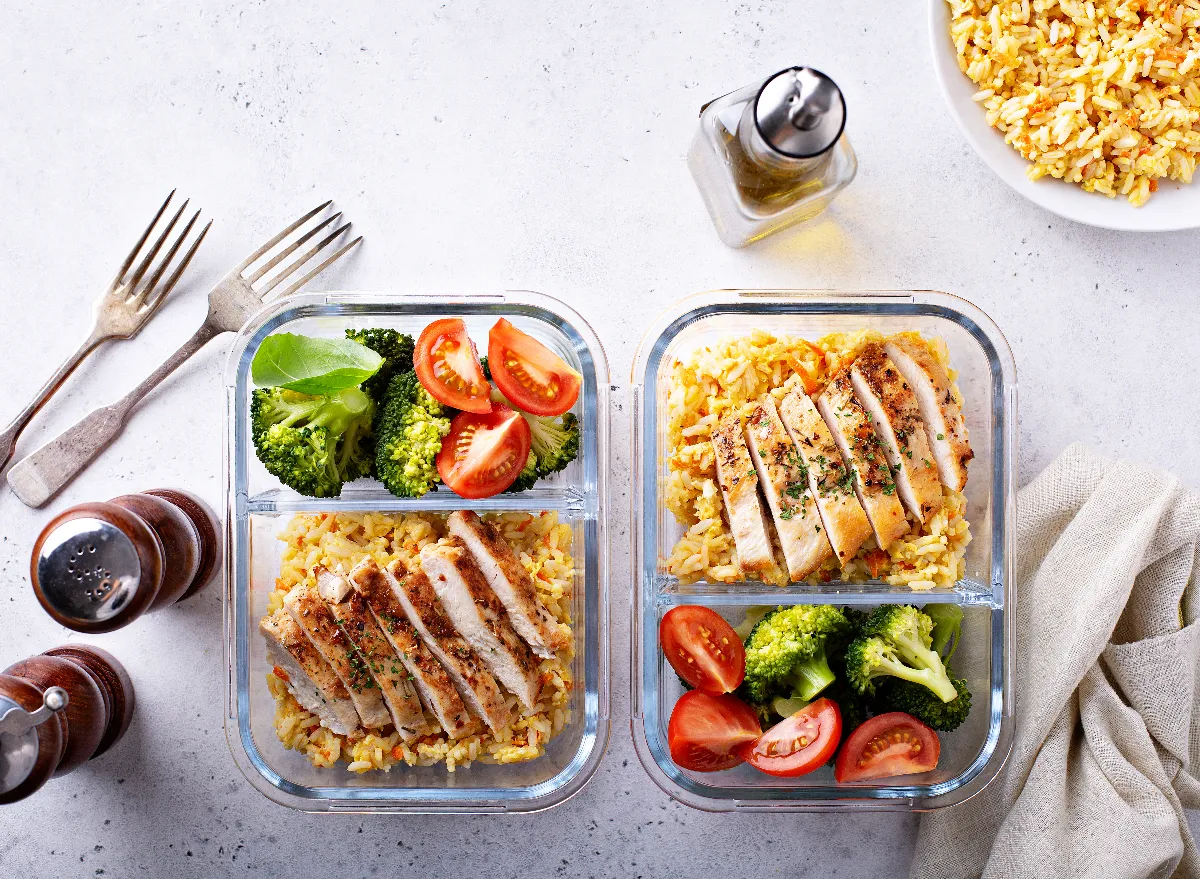
- Cooked chicken breasts
- Brown rice or quinoa
- Roasted vegetables
- Hard-boiled eggs
- Washed lettuce
- Cut carrots, cucumbers, and bell peppers
- Fresh fruit
These ready-to-use ingredients make healthy meals come together in just a few minutes.
Choose Recipes That Use Similar Ingredients
Buying ingredients that work in multiple meals saves both money and time.
For example, grilled chicken can become:
- A salad topping
- A wrap filling
- A rice bowl
- A pasta addition
- A taco filling
Roasted vegetables can be served alongside dinner, mixed into omelets, or added to grain bowls.
Using ingredients in different ways keeps meals from becoming repetitive.
Don’t Forget Healthy Snacks
Having nutritious snacks available can help prevent those afternoon trips to the vending machine.
Keep easy options ready, such as:
- Apple slices
- Baby carrots
- Mixed nuts
- Greek yogurt
- String cheese
- Fresh berries
- Hummus with vegetables
- Whole-grain crackers
Portioning snacks into small containers ahead of time also makes grabbing them much easier.
Invest in Good Storage Containers
Quality food containers help meals stay fresh and organized.
Glass containers are durable and microwave-safe, while BPA-free plastic containers are lightweight and travel-friendly.
Choose containers in different sizes for:
- Individual meals
- Salads
- Snacks
- Sauces
- Fresh fruit
Labeling containers with preparation dates can also help reduce food waste.
Make Your Freezer Work for You
Not every meal has to stay in the refrigerator.
Many dishes freeze beautifully, including:
- Chili
- Soup
- Cooked rice
- Whole-grain pasta
- Grilled chicken
- Meatballs
Having freezer-friendly meals available provides a healthy backup when life gets unexpectedly busy.
Keep Meals Balanced
When planning meals, aim to include foods from several food groups.
A balanced plate typically includes:
- Lean protein
- Whole grains
- Plenty of vegetables
- Healthy fats
- Fruit when appropriate
For example:
- Grilled salmon
- Brown rice
- Roasted broccoli
- Mixed green salad
- Fresh strawberries
This combination provides satisfying nutrition while keeping meals flavorful.
Avoid Meal Prep Burnout
One reason people stop meal prepping is because they prepare too much of the same food.
Instead of eating identical lunches every day, rotate flavors and sauces.
For example:
Monday: Chicken burrito bowl
Tuesday: Mediterranean chicken salad
Wednesday: Chicken wrap
Thursday: Stir-fry
Friday: Whole-grain pasta with grilled chicken
The protein stays the same, but the meals feel completely different.
Give Yourself Some Flexibility
Meal prep should make life easier—not more stressful.
Leave one or two evenings open for dining out, family dinners, or trying a new recipe.
Healthy eating doesn’t require following a rigid schedule. Flexibility makes it easier to stick with good habits over the long term.
If your plans change, simply adjust. That’s part of real life.
Final Thoughts
Meal prep isn’t about spending your weekend cooking dozens of meals or filling your refrigerator with identical containers. It’s about creating a routine that helps you make healthier choices during busy weekdays.
By planning simple meals, preparing ingredients ahead of time, shopping with a list, and keeping healthy snacks within reach, you can save time, reduce stress, and make nutritious eating feel much more manageable.
Remember, consistency matters more than perfection. Even preparing just a few meals each week can make a noticeable difference in your eating habits. Start small, keep it simple, and build a routine that fits your lifestyle. Over time, meal prep can become one of the easiest ways to support better nutrition and overall well-being.