
Walk into almost any supermarket in America today, and you’ll notice an increasing number of products labeled organic. From fruits and vegetables to milk, eggs, meat, and even snack foods, organic options have become easier to find than ever before.
But they usually come with one noticeable difference—a higher price tag.
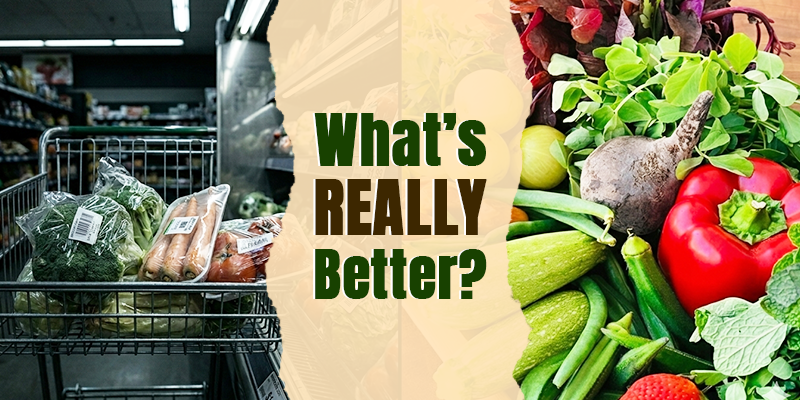
That leaves many shoppers asking the same question: Is organic food actually healthier, or is it just smart marketing?
The answer isn’t as simple as yes or no. Organic foods offer certain advantages, but they aren’t automatically more nutritious than conventionally grown foods. Understanding what the organic label really means can help you make informed choices that fit both your health goals and your grocery budget.
What Does “Organic” Actually Mean?
In the United States, foods labeled as organic must meet strict farming and production standards.
For produce, organic farming generally avoids the use of most synthetic pesticides and fertilizers. Farmers often rely on crop rotation, compost, and natural methods to improve soil health and manage pests.
For meat, poultry, eggs, and dairy products, animals are typically raised with access to the outdoors, fed organic feed, and are not routinely given antibiotics or growth hormones.
These standards are designed to promote environmentally responsible farming while maintaining animal welfare.
Is Organic Food More Nutritious?
This is one of the biggest misconceptions about organic foods.
Research has found that organic fruits and vegetables can contain similar amounts of vitamins and minerals as conventionally grown produce. In many cases, the nutritional differences are relatively small.
What matters most is how much produce you eat, not whether it’s organic or conventional.
If buying conventional apples allows you to eat fruit every day, that’s generally a better choice than avoiding fruit altogether because organic options cost more.
The Biggest Benefit: Reduced Pesticide Exposure
One reason many families choose organic foods is to reduce exposure to certain pesticide residues.
Organic farming limits the use of many synthetic pesticides, although organic farms may still use approved natural pest-control methods.
Washing fresh produce thoroughly before eating it remains important, regardless of whether it’s organic or conventionally grown.
A simple rinse under running water can remove dirt and some surface residues.
Organic Doesn’t Always Mean Healthier
One mistake shoppers often make is assuming every organic product is automatically good for them.
For example:
- Organic cookies are still cookies.
- Organic potato chips are still potato chips.
- Organic ice cream still contains sugar and calories.
- Organic candy is still candy.
The word organic describes how ingredients were produced—not the overall nutritional quality of the finished product.
Reading the Nutrition Facts label is just as important as checking for an organic certification.
Which Foods Might Be Worth Buying Organic?
If your budget allows, some people choose to prioritize organic versions of foods that are commonly eaten with their skins or peels.
These often include:
- Strawberries
- Spinach
- Apples
- Grapes
- Peaches
- Bell peppers
- Blueberries
- Cherries
Because these foods are typically eaten without removing the outer layer, some shoppers prefer organic options.
However, conventional versions are still nutritious and remain excellent choices.
Foods You May Feel Comfortable Buying Conventional
Many fruits and vegetables have thick outer skins that are removed before eating.
Examples include:
- Bananas
- Avocados
- Pineapple
- Oranges
- Mangoes
- Watermelon
- Sweet corn
Buying conventional versions of these foods can be a practical way to save money while still enjoying a healthy diet.
Don’t Forget Frozen Fruits and Vegetables
Fresh produce isn’t the only healthy option.
Frozen fruits and vegetables are picked at peak ripeness and frozen quickly to help preserve nutrients.
They’re often less expensive, last much longer, and reduce food waste.
Keeping frozen broccoli, spinach, berries, or mixed vegetables in your freezer makes healthy meals much more convenient.
Shopping Healthy Without Overspending
Eating nutritious foods doesn’t require spending hundreds of dollars every month.
Here are a few smart shopping strategies:
Buy Produce That’s in Season
Seasonal fruits and vegetables are usually fresher, taste better, and cost less.
Visit your local farmers market or grocery store to see what’s currently in season.
Compare Store Brands
Many grocery stores now offer their own organic products at lower prices than national brands.
The quality is often comparable while costing significantly less.
Purchase Whole Foods More Often
Instead of spending extra on packaged organic snacks, consider buying more whole foods like:
- Oats
- Brown rice
- Dry beans
- Lentils
- Fresh vegetables
- Fruit
- Eggs
These foods provide excellent nutrition without stretching your budget.
Plan Your Meals
Planning meals before grocery shopping helps reduce impulse purchases and ensures that everything you buy gets used.
Food waste can quickly become one of the most expensive parts of grocery shopping.
Healthy Eating Is About the Big Picture
Whether your apples are organic or conventional matters much less than whether you’re eating enough fruits and vegetables overall.
The healthiest eating patterns consistently include:
- Plenty of colorful vegetables
- Fresh fruit
- Whole grains
- Lean protein
- Healthy fats
- Beans and legumes
- Nuts and seeds
Building meals around these foods has a far greater impact on your health than focusing on a single food label.
Final Thoughts
Organic foods can be a great choice if they fit your budget and personal preferences, but they aren’t the only path to healthy eating. Both organic and conventionally grown foods can play an important role in a nutritious diet.
Instead of stressing over every grocery decision, focus on creating balanced meals filled with a variety of whole foods. Wash your produce, read nutrition labels, cook more meals at home, and enjoy plenty of fruits and vegetables—regardless of how they were grown.
At the end of the day, the healthiest grocery cart isn’t necessarily the one filled with the most organic products. It’s the one filled with foods you’ll actually enjoy eating and can consistently include in your daily routine.