
Take a moment to think about how often you look at your phone each day. For many Americans, the answer is probably more than they realize. Between emails, social media, news updates, streaming services, online meetings, and endless notifications, screens have become a constant part of everyday life.
Technology has made work, communication, and entertainment more convenient than ever. But being connected all the time can also leave us feeling mentally exhausted.
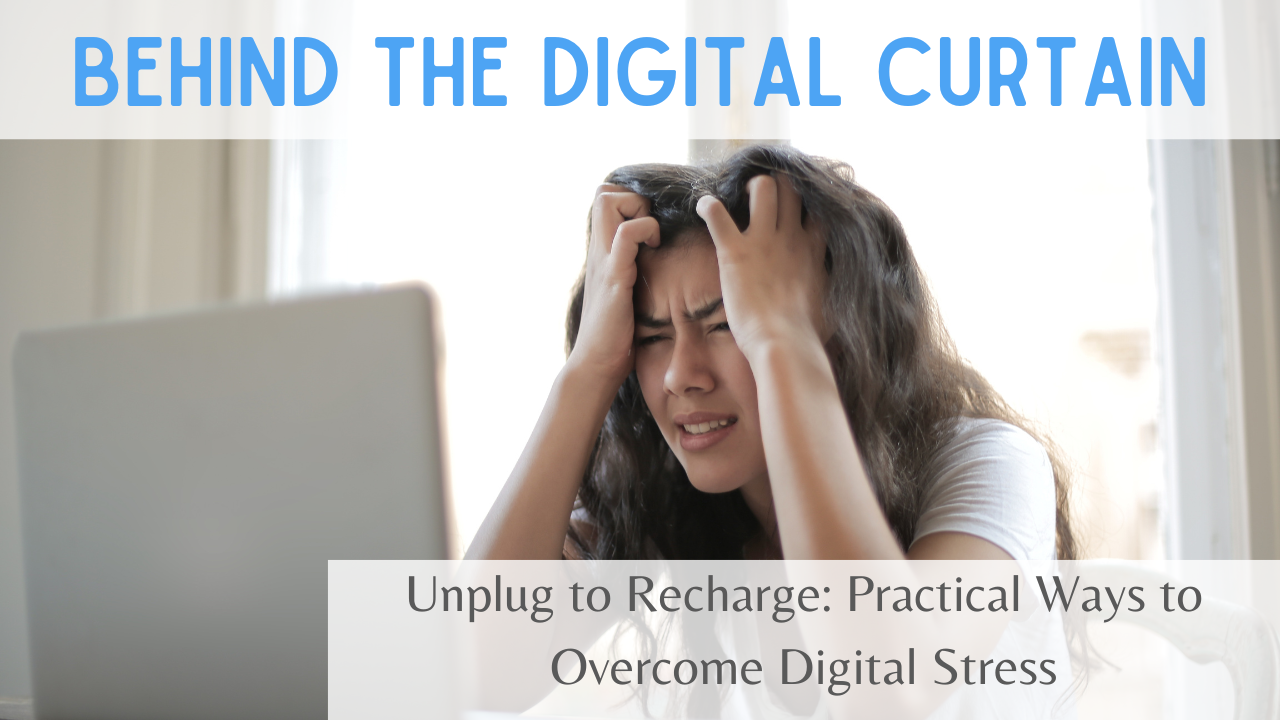
If you’ve ever felt overwhelmed after scrolling through social media, struggled to focus after hours of video meetings, or found yourself reaching for your phone without even thinking, you may be experiencing digital burnout.
The good news is that small changes in your daily habits can help restore balance without giving up technology altogether.
What Is Digital Burnout?
Digital burnout is mental and emotional exhaustion caused by spending too much time connected to digital devices.
Unlike physical fatigue, digital burnout often builds gradually. You may not notice it at first, but over time, constant screen exposure can affect your concentration, mood, sleep, and overall well-being.
Since many jobs, schools, and daily activities now rely on technology, completely avoiding screens isn’t realistic. The goal is learning how to use technology in healthier ways.
1. You’re Constantly Checking Your Phone
Do you unlock your phone without having a specific reason?
Many people develop the habit of checking notifications every few minutes, even when nothing important has happened.
This constant interruption makes it harder for your brain to stay focused and can increase feelings of anxiety or restlessness.
If you catch yourself reaching for your phone automatically, it may be time to establish healthier boundaries.
2. You Feel Mentally Drained After Screen Time
Spending several hours on video calls, answering emails, or scrolling through social media can leave you feeling surprisingly tired.
Your brain processes enormous amounts of information while using digital devices.
Even if you’ve been sitting all day, mental fatigue can feel just as exhausting as physical work.
3. You’re Having Trouble Falling Asleep
Many people use their phones right before bed.
Unfortunately, late-night screen time can interfere with healthy sleep habits.
Bright screens and stimulating content make it more difficult for your brain to relax.
Instead of falling asleep quickly, you may find yourself scrolling for “just five more minutes” that turns into an hour.
Creating a screen-free bedtime routine can make a noticeable difference.
4. You Can’t Focus on One Task
Have you noticed yourself switching between emails, text messages, social media, and work documents every few minutes?
Constant multitasking trains your brain to expect frequent interruptions.
As a result, staying focused on one activity becomes increasingly difficult.
Improving concentration often begins by reducing unnecessary distractions.
5. Social Media Leaves You Feeling Worse
Social media can be entertaining and informative, but it can also encourage unhealthy comparisons.
Seeing carefully edited snapshots of other people’s lives may leave you feeling like you’re not doing enough or accomplishing enough.
Remember that social media rarely reflects someone’s complete reality.
Taking occasional breaks from these platforms can help improve your mood and perspective.
6. You Feel Pressure to Respond Immediately
Many people feel obligated to answer every email, message, or notification as soon as it arrives.
Over time, this creates a constant sense of urgency that can increase stress levels.
Not every message requires an immediate response.
Allowing yourself designated times to check emails or messages can reduce unnecessary pressure.
7. You’re Spending Less Time on Offline Activities
When screens consume most of your free time, hobbies and face-to-face relationships often take a back seat.
Think about activities you used to enjoy, such as:
- Reading
- Walking outdoors
- Cooking
- Gardening
- Playing sports
- Visiting friends
- Board games
- Photography
Making time for these experiences helps restore balance.
8. Your Eyes and Body Feel Tired
Digital burnout isn’t only mental.
Long hours staring at screens may contribute to:
- Eye strain
- Dry eyes
- Neck pain
- Shoulder tension
- Headaches
Simple habits such as adjusting your screen height, improving posture, and taking regular movement breaks can reduce discomfort.
9. You Feel Anxious Without Your Phone
Many people feel uneasy when they forget their phone at home or lose internet access for a short time.
While staying connected is convenient, feeling unable to disconnect may indicate an unhealthy dependence on technology.
Learning to spend short periods away from digital devices can improve your overall sense of balance.
How to Create Healthier Digital Habits
You don’t have to give up your favorite apps or stop using technology.
Instead, focus on creating healthier routines.
Set Screen-Free Times
Choose specific times each day when you intentionally avoid screens.
Examples include:
- During meals
- The first 30 minutes after waking up
- One hour before bedtime
- Family time
- While exercising
These small breaks give your mind a chance to recharge.
Turn Off Unnecessary Notifications
Every notification competes for your attention.
Disabling alerts for nonessential apps can reduce distractions and help you stay focused.
Spend More Time Outside
Fresh air and natural surroundings provide an excellent break from digital stimulation.
Even a 20-minute walk around your neighborhood can help clear your mind.
Reconnect with People
Instead of texting someone you haven’t seen in a while, consider meeting for coffee or taking a walk together.
Face-to-face conversations often provide stronger emotional connections than online interactions.
Final Thoughts
Technology has transformed the way we live, work, and communicate, but staying connected every minute of the day isn’t always healthy. Digital burnout is becoming increasingly common, especially as screen time continues to grow.
The solution isn’t to eliminate technology—it’s to use it more intentionally. By setting healthy boundaries, limiting unnecessary notifications, making time for offline activities, and allowing yourself regular breaks from screens, you can protect your mental well-being while still enjoying the benefits of the digital world.
Sometimes the healthiest notification you can give yourself is a reminder to put your phone down, step outside, and simply enjoy the present moment.