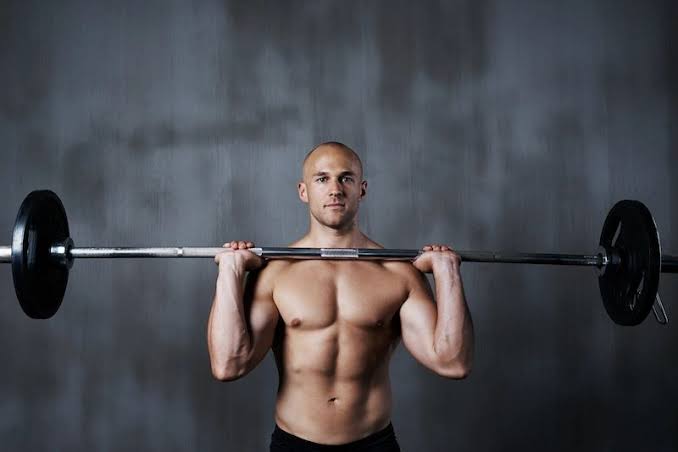
When many people hear the words strength training, they picture bodybuilders lifting massive weights in crowded gyms. That image often makes beginners feel intimidated or believe strength training isn’t for them.
The reality is very different.
Strength training is one of the most effective forms of exercise for people of all ages and fitness levels. It isn’t just about building bigger muscles—it’s about improving everyday strength, supporting healthy aging, protecting your bones, and making daily activities easier.
Whether you’re in your 20s or your 60s, adding a few strength-training sessions to your weekly routine can provide lasting health benefits.
What Is Strength Training?
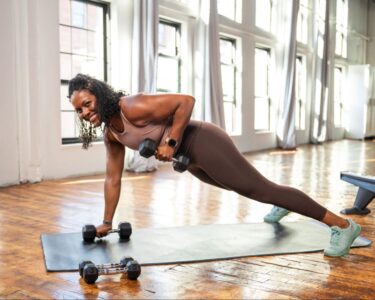
Strength training, also called resistance training, involves exercising your muscles against some form of resistance.
That resistance can come from:
- Dumbbells
- Resistance bands
- Barbells
- Kettlebells
- Weight machines
- Medicine balls
- Your own body weight
Exercises like push-ups, squats, lunges, and planks all count as strength training—even though they don’t require lifting heavy weights.
The goal isn’t necessarily to lift as much as possible. It’s to gradually improve your strength over time.
Why Strength Training Matters
As we get older, our bodies naturally begin to lose muscle mass.
Without regular resistance exercise, this process can make everyday tasks more difficult over time.
Strength training helps maintain muscle, improve mobility, and support independence as you age.
It’s an investment in your future health—not just your appearance.
Builds Functional Strength
Think about all the activities you do every day:
- Carrying grocery bags
- Picking up children
- Climbing stairs
- Moving furniture
- Gardening
- Lifting laundry baskets
These everyday tasks become easier when your muscles are stronger.
Instead of training just for the gym, you’re training for real life.
Supports Healthy Bones
Bones become stronger when they’re challenged through weight-bearing activities.
Strength training encourages bone health by placing healthy stress on your skeletal system.
Combined with adequate calcium, vitamin D, and regular physical activity, resistance exercise can play an important role in maintaining strong bones throughout adulthood.
Helps Boost Your Metabolism
Muscle tissue requires energy to maintain.
As you gradually build lean muscle through strength training, your body may burn more calories throughout the day—even while resting.
While strength training isn’t a shortcut to weight loss, it can be an important part of a balanced fitness routine alongside healthy eating and cardiovascular exercise.
Improves Balance and Stability
Strong muscles help stabilize your body during movement.
This becomes increasingly important as you age because better balance can reduce the risk of falls and improve confidence during daily activities.
Exercises that strengthen your legs, core, and hips are especially valuable for improving stability.
You Don’t Need a Gym Membership
One of the biggest misconceptions about strength training is that you need expensive equipment.
Many effective exercises require nothing more than your own body weight.
Examples include:
- Squats
- Push-ups
- Lunges
- Glute bridges
- Planks
- Wall sits
- Step-ups
As your strength improves, you can add resistance bands or a pair of light dumbbells for additional challenge.
How Often Should Beginners Strength Train?
If you’re just getting started, two or three sessions per week is enough for most people.
Allow at least one day of rest between sessions that target the same muscle groups.
This recovery time allows your muscles to repair and grow stronger.
Consistency is much more important than doing long or intense workouts.
Focus on Proper Form
One of the most important parts of strength training isn’t the amount of weight you lift—it’s how you perform each movement.
Using proper form helps:
- Reduce injury risk
- Improve muscle activation
- Build strength more effectively
- Increase confidence
If you’re unsure about technique, consider watching instructional videos from reputable fitness organizations or working with a certified personal trainer when possible.
A Simple Beginner Workout
You don’t need dozens of exercises to get started.
Try this beginner-friendly routine two or three times per week:
- Bodyweight squats – 10 repetitions
- Wall or knee push-ups – 10 repetitions
- Glute bridges – 12 repetitions
- Reverse lunges – 8 repetitions per leg
- Plank – Hold for 20–30 seconds
Complete the circuit two or three times, resting for about one minute between rounds.
As these exercises become easier, gradually increase the number of repetitions or add resistance.
Recovery Is Part of Progress
Many beginners believe they need to exercise every day to see results.
In reality, recovery is when your body adapts and becomes stronger.
Support recovery by:
- Getting enough sleep
- Drinking plenty of water
- Eating balanced meals with protein
- Stretching after workouts
- Taking rest days when needed
Listening to your body helps prevent burnout and reduces the risk of overtraining.
Stay Patient
Strength doesn’t develop overnight.
Some improvements happen within a few weeks, while others take several months.
Instead of focusing only on physical appearance, notice other signs of progress:
- Carrying groceries more easily
- Better posture
- Climbing stairs without getting winded
- Increased energy
- Improved confidence
These everyday victories are meaningful indicators that your body is becoming stronger.
Final Thoughts
Strength training is about much more than building muscle or changing the way you look. It’s about improving your quality of life, protecting your long-term health, and making everyday activities feel easier and more enjoyable.
The best part is that you don’t need fancy equipment or years of experience to get started. A few simple exercises performed consistently can help you build strength, improve balance, support healthy bones, and increase your confidence over time.
Start where you are, focus on proper form, and remember that progress comes from consistency—not perfection. Every workout is another step toward a stronger, healthier version of yourself.