
Walk through any grocery store and you’ll see shelves lined with products promising more protein, fewer carbs, or added vitamins. Yet one nutrient rarely gets the attention it deserves: fiber.
For many Americans, fiber is an afterthought. It’s not as trendy as protein shakes or low-carb diets, but it’s one of the simplest ways to support better health. From improving digestion to helping you stay full longer, fiber plays an important role in how your body functions every day.
The surprising part is that most adults don’t get nearly enough of it. According to dietary recommendations, many people fall well short of the daily amount their bodies need. Fortunately, increasing your fiber intake doesn’t require expensive supplements or major lifestyle changes. Small adjustments to your meals can make a noticeable difference.
What Exactly Is Fiber?
Fiber is a type of carbohydrate found naturally in plant-based foods. Unlike other carbohydrates, fiber isn’t fully broken down during digestion. Instead, it travels through your digestive system, where it supports gut health and helps regulate several important body functions.
There are two primary types of fiber:
Soluble Fiber
This type dissolves in water and forms a gel-like substance during digestion. It may help support healthy cholesterol levels and promote steady blood sugar levels after meals.
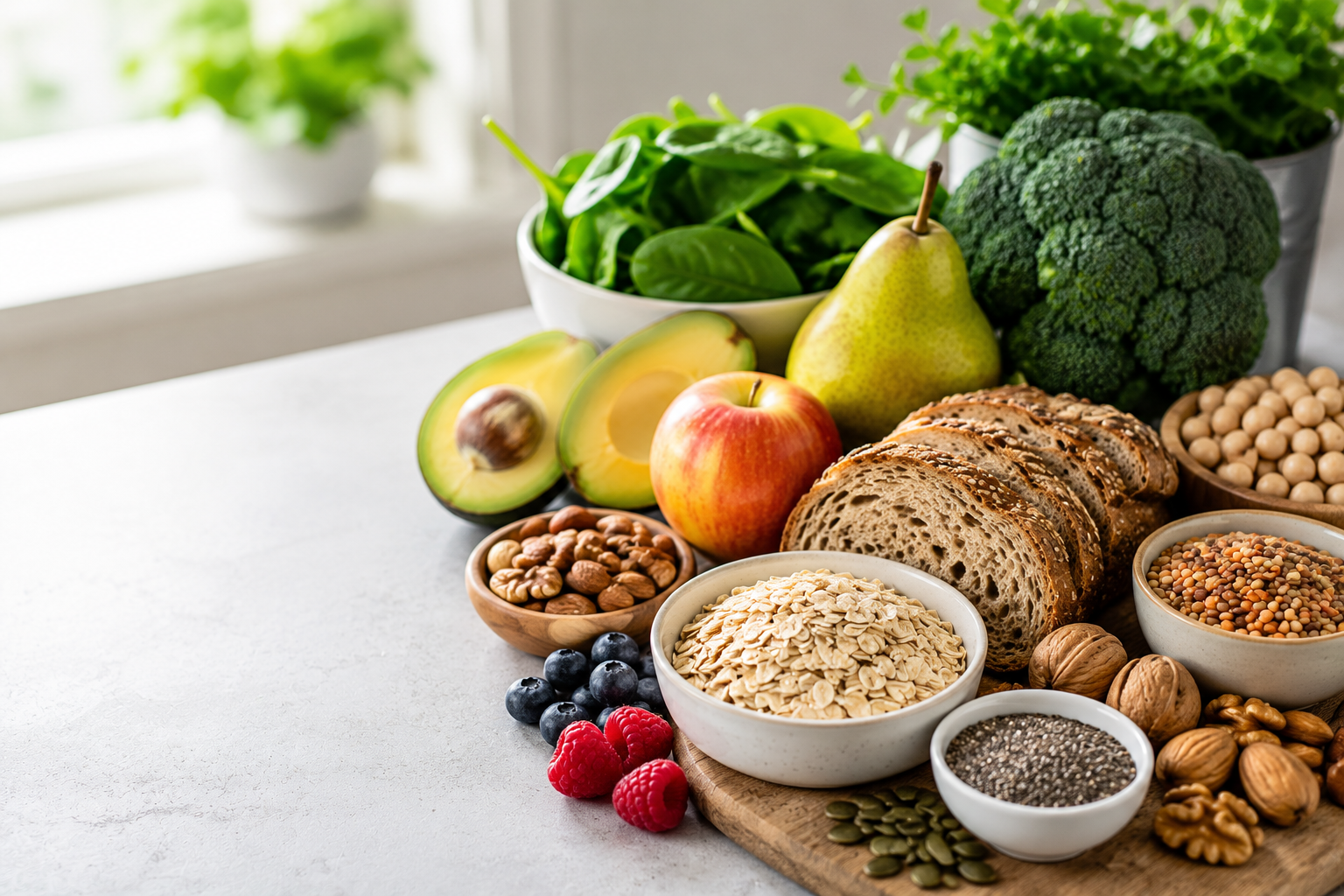
Foods rich in soluble fiber include:
- Oats
- Apples
- Citrus fruits
- Beans
- Lentils
- Barley
Insoluble Fiber
Insoluble fiber adds bulk to stool and helps food move efficiently through the digestive tract.
Good sources include:
- Whole wheat products
- Brown rice
- Carrots
- Green beans
- Cauliflower
- Nuts
Both types are valuable, and eating a variety of whole foods naturally provides a healthy balance.
Why Fiber Matters More Than You Think
Many people associate fiber only with digestion, but its benefits extend much further.
Supports Healthy Digestion
Fiber helps keep bowel movements regular and supports a healthy digestive system. A diet rich in fiber may reduce occasional constipation and promote overall gut function.
Healthy digestion often begins with simple dietary habits, and fiber is one of the easiest improvements you can make.
Helps You Feel Full Longer
Meals high in fiber tend to be more satisfying. Because fiber slows digestion, you stay full for a longer period after eating.
This can naturally reduce unnecessary snacking throughout the day without making you feel restricted.
If you’re trying to maintain a healthy weight, focusing on high-fiber foods may be more effective than constantly counting calories.
Supports Heart Health
Foods naturally high in fiber are often also rich in vitamins, minerals, and antioxidants.
Research has shown that diets containing adequate soluble fiber can help support healthy cholesterol levels already within the normal range, making fiber an important part of a heart-friendly eating pattern.
Helps Maintain Steady Energy
Highly processed foods often cause rapid spikes and crashes in blood sugar, leaving you feeling hungry soon after eating.
Fiber slows the absorption of carbohydrates, helping provide more consistent energy throughout the day.
Instead of reaching for another cup of coffee or sugary snack, a fiber-rich meal may help you stay energized longer.
Signs You May Need More Fiber
Many people don’t realize their diet is low in fiber until symptoms begin to appear.
Some common signs include:
- Frequent constipation
- Feeling hungry shortly after meals
- Low energy during the day
- Limited intake of fruits and vegetables
- Heavy reliance on processed convenience foods
These symptoms don’t always mean you’re lacking fiber, but they may be a good reason to take a closer look at your eating habits.
Easy Ways to Eat More Fiber Every Day
Increasing your fiber intake doesn’t require a complete kitchen makeover.
Try these practical ideas:
Start Breakfast with Whole Grains
Replace sugary cereal with oatmeal, whole-grain cereal, or whole-wheat toast.
Adding berries or sliced bananas provides even more fiber.
Snack on Fresh Fruit
Instead of cookies or chips, choose apples, pears, oranges, or berries.
Whenever possible, eat the edible peel since it contains additional fiber.
Add Beans to Your Meals
Beans are one of the most affordable fiber-rich foods available.
Mix black beans into tacos, chickpeas into salads, or lentils into soups for an easy nutrition boost.
Eat More Vegetables
Aim to include vegetables with both lunch and dinner.
Roasted broccoli, carrots, spinach, Brussels sprouts, and bell peppers are all excellent choices.
Choose Whole Grains
Look for foods labeled “100% whole grain” or “100% whole wheat.”
Simple substitutions include:
- Brown rice
- Whole-wheat pasta
- Whole-grain bread
- Quinoa
- Barley
These swaps gradually increase your daily fiber intake without changing your favorite meals.
Increase Fiber Slowly
While eating more fiber is beneficial, increasing it too quickly can sometimes cause temporary bloating or discomfort.
A better approach is to gradually add fiber-rich foods over several weeks while drinking plenty of water.
Hydration helps fiber move comfortably through your digestive system and supports its natural benefits.
Don’t Forget About Water
Fiber and water work together.
Without enough fluids, increasing fiber may actually make digestion more difficult.
Most adults benefit from drinking water consistently throughout the day, especially when eating more fruits, vegetables, beans, and whole grains.
Keeping a reusable water bottle nearby is an easy reminder to stay hydrated.
Whole Foods Beat Supplements
Fiber supplements can be helpful in certain situations, but they shouldn’t replace a healthy diet.
Whole foods offer much more than fiber alone. They also provide vitamins, minerals, antioxidants, and plant compounds that support overall wellness.
Instead of relying on powders or pills, focus first on building meals around fruits, vegetables, legumes, nuts, seeds, and whole grains.
Final Thoughts
Good nutrition doesn’t always require dramatic changes. Sometimes, the simplest habits produce the greatest long-term results.
Adding more fiber to your meals is one of those habits. Whether you’re choosing oatmeal for breakfast, adding beans to dinner, or reaching for an apple instead of a sugary snack, every small improvement contributes to better overall health.
Rather than chasing the latest diet trend, focus on eating more real, fiber-rich foods that nourish your body every day. Over time, these consistent choices can support healthy digestion, lasting energy, and a more balanced approach to nutrition—without making healthy eating feel complicated.