Chronic diseases are long-lasting health conditions that may develop gradually and require ongoing medical care. Conditions such as diabetes, heart disease, chronic kidney disease, arthritis, and chronic respiratory diseases can affect a person’s quality of life over many years. Some develop with noticeable symptoms, while others may remain undetected until complications appear. This is why early detection of chronic diseases plays an important role in maintaining long-term health.
Recognising potential health problems early can help people seek appropriate medical advice, understand their risk factors, and take steps to manage their health before a condition becomes more difficult to control.
What Are Chronic Diseases?
Chronic diseases are generally conditions that persist for an extended period and often require continuous management. They may result from a combination of genetic, environmental, lifestyle, and age-related factors.
Common examples include:
- Diabetes: A condition that affects how the body regulates blood glucose.
- Heart disease: A group of conditions affecting the heart and its ability to function properly.
- Chronic kidney disease: A gradual decline in kidney function.
- Chronic respiratory diseases: Long-term conditions that affect breathing and lung function.
- Arthritis: Conditions that cause joint inflammation, pain, or stiffness.
Although not all chronic diseases can be prevented, many can be managed more effectively when identified early.
Why Is Early Detection Important?
1. It Helps Identify Health Problems Before Complications Develop
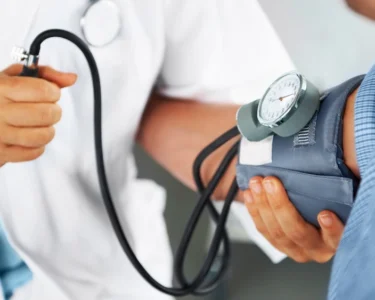
Some chronic conditions progress without obvious warning signs. High blood pressure, for example, may not cause noticeable symptoms for years. Similarly, early-stage diabetes and kidney disease can go undetected without appropriate testing.
Routine health assessments and recommended screenings can help identify potential problems before serious complications develop. Early diagnosis also gives healthcare professionals an opportunity to assess the condition and recommend suitable care.
2. It Supports Better Disease Management
Early detection allows people to begin managing a condition before it significantly affects their daily lives. Depending on the diagnosis, management may include dietary changes, physical activity, prescribed medication, regular monitoring, or other treatments recommended by a healthcare professional.
Following an appropriate management plan can help control symptoms, reduce the risk of complications, and support a better quality of life.
3. It Encourages Healthier Lifestyle Choices
Learning about a chronic disease or an increased risk of developing one can motivate people to make practical lifestyle changes. These may include eating a balanced diet, staying physically active, getting sufficient sleep, avoiding tobacco, and limiting alcohol consumption.
Even small, consistent changes can contribute to better overall health. People with existing medical conditions should discuss suitable lifestyle adjustments with their healthcare provider.
4. It Can Reduce the Risk of Serious Complications
Unmanaged chronic diseases may increase the risk of further health problems. For example, poorly controlled diabetes can affect the eyes, kidneys, nerves, and cardiovascular system. Untreated high blood pressure can increase the risk of heart disease and stroke.
Identifying these conditions early can help healthcare professionals develop a plan to manage risk factors and monitor changes in health over time.
What Warning Signs Should You Watch For?
The symptoms of chronic diseases vary depending on the condition. Possible warning signs include persistent fatigue, unexplained weight changes, increased thirst, frequent urination, ongoing joint pain, shortness of breath, or wounds that heal slowly.
However, these symptoms can have many causes, and some chronic diseases produce no obvious symptoms during their early stages. Having a symptom does not automatically mean that you have a chronic illness.
Seek medical advice if you experience persistent or unusual changes in your health. Sudden chest pain, severe difficulty breathing, or signs of a stroke require emergency medical attention.
How Can You Support Early Detection?
Taking a proactive approach to healthcare can help identify health concerns sooner.
Schedule regular health check-ups. Ask your healthcare professional which examinations and screenings are appropriate for your age, medical history, and risk factors.
Know your family medical history. Certain chronic diseases can run in families. Sharing relevant family history with your healthcare provider may help determine whether additional screening is appropriate.
Monitor important health indicators. Depending on your individual needs, monitoring blood pressure, blood glucose, cholesterol, or kidney function may be recommended.
Attend recommended screenings. Follow professional guidance about screening intervals rather than relying only on symptoms to determine whether testing is necessary.
Maintain healthy daily habits. A balanced diet, regular movement, sufficient sleep, and avoiding tobacco can support long-term health and help manage certain risk factors.
Conclusion
Early detection of chronic diseases is an important part of preventive healthcare. Regular check-ups, appropriate screenings, awareness of potential warning signs, and healthy daily habits can help people identify health concerns and seek care when needed.
Although early detection cannot prevent every chronic disease or guarantee a particular outcome, it can create more opportunities for timely treatment and effective management. Taking an active role in your health today can help you make informed decisions and support your well-being over the long term.
This article is for general informational purposes and does not replace professional medical advice, diagnosis, or treatment.