

Healthy eating is one of the most important steps you can take to support your overall well-being. The foods you eat provide energy, essential nutrients, and the building blocks your body needs to function properly. However, with busy schedules, convenience foods, and conflicting nutrition advice, maintaining a balanced diet can sometimes feel challenging.
Developing healthy eating habits does not require following a strict diet or eliminating all your favorite foods. Instead, it involves making balanced food choices, understanding portion sizes, and building a sustainable approach to nutrition that supports long-term health.
What Does a Balanced Diet Include?
A balanced diet provides the nutrients your body needs from a variety of foods. These include carbohydrates, protein, healthy fats, vitamins, minerals, and dietary fiber.
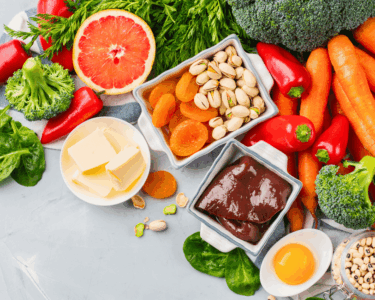
Fruits and vegetables supply important vitamins, minerals, antioxidants, and fiber. Whole grains, such as oats, brown rice, and whole-wheat bread, provide energy and can support digestive health. Protein sources, including eggs, beans, lentils, fish, poultry, and nuts, help maintain muscles and repair body tissues.
Healthy fats from foods such as olive oil, avocados, seeds, and nuts also play an important role in normal body functions.
No single food provides every nutrient your body needs. Eating a variety of foods from different food groups is therefore more beneficial than relying heavily on one type of food or following an unnecessarily restrictive diet.
Why Is Healthy Eating Important for Long-Term Health?
Good nutrition supports several essential functions, including immune activity, bone health, muscle maintenance, and energy production. A balanced diet can also help reduce the risk of certain chronic diseases when combined with other healthy lifestyle habits.
Consuming enough dietary fiber supports digestion and may help maintain healthy cholesterol and blood glucose levels. Fiber-rich foods include vegetables, fruits, beans, lentils, and whole grains.
Choosing nutrient-dense foods while limiting excessive added sugar, sodium, and saturated fat can support cardiovascular health. These habits may also help with weight management and reduce the risk of conditions such as type 2 diabetes and high blood pressure.
Healthy eating is not about achieving perfect meals every day. Consistency across your overall eating pattern matters more than occasional food choices.
How Can You Build Healthier Eating Habits?
Making gradual changes is often easier to maintain than completely changing your diet overnight. Start with practical adjustments that fit your lifestyle, budget, and food preferences.
Add more fruits and vegetables: Include a variety of colors and types throughout the day to increase your intake of essential nutrients and fiber.
Choose whole grains more often: Replace some refined grain products with options such as oatmeal, brown rice, and whole-wheat bread.
Include protein with meals: Foods such as beans, eggs, fish, lean poultry, and yogurt can help support muscle health and make meals more satisfying.
Drink enough water: Water supports digestion, circulation, temperature regulation, and other important bodily functions. Individual fluid needs vary depending on activity, climate, and health.
Limit highly processed foods: Reduce frequent consumption of foods high in added sugars, sodium, and saturated fat while focusing on nutritious alternatives.
Pay attention to hunger and fullness: Eating slowly and recognising your body’s signals can help you develop a more mindful relationship with food.
Small, realistic changes can gradually become lasting habits without making mealtimes unnecessarily complicated.
What Is the Importance of Portion Control?
Portion control involves understanding how much food you eat and how it fits into your overall nutritional needs. Even nutritious foods can contribute to excessive calorie intake when portions consistently exceed your body’s requirements.
A practical approach is to fill approximately half your plate with vegetables and fruits, one-quarter with protein-rich foods, and one-quarter with whole grains or other suitable carbohydrate sources. This is a flexible guide rather than a strict rule, and individual needs may differ.
Eating from a plate instead of directly from large packages, planning meals in advance, and paying attention to hunger cues can also help with portion awareness.
People with specific medical conditions or nutritional requirements may benefit from guidance from a registered dietitian or qualified healthcare professional.
How Does Meal Planning Support Better Nutrition?
Meal planning can make healthy eating more convenient and help reduce reliance on last-minute food choices. Preparing a basic weekly menu allows you to organise grocery shopping, include different food groups, and make better use of ingredients.
You do not need elaborate recipes to eat well. Simple meals such as oatmeal with fruit, vegetable and bean bowls, grilled fish with whole grains, or lentil soup with whole-wheat bread can provide a variety of nutrients.
Preparing ingredients in advance, keeping nutritious snacks available, and using leftovers safely can also save time and reduce food waste.
Conclusion
Healthy eating habits are an essential part of maintaining energy, supporting normal body functions, and promoting long-term well-being. A balanced diet that includes fruits, vegetables, whole grains, protein sources, healthy fats, and sufficient water can provide a strong nutritional foundation.
By making gradual changes, managing portions, and planning meals ahead, you can develop a sustainable approach to nutrition without following extreme diets. The most effective eating pattern is one that meets your nutritional needs, fits your lifestyle, and remains practical over time.