
Healthy eating can sometimes feel like a lot of work, but it does not have to be. There are endless diet plans, food trends, rules, and conflicting opinions about what should or should not be on a plate.
Good nutrition does not necessarily mean completely changing the way meals are prepared. Often, it starts with small choices that can gradually become part of everyday life.
Adding more variety to meals, drinking enough water, eating nutritious foods regularly, and paying attention to eating habits can make a difference over time.
Eating Healthy Does Not Mean Being Perfect
One of the most common misconceptions about nutrition is that healthy eating means following a perfect diet every day.
Real life does not usually work that way.
There may be busy mornings when breakfast is rushed, a weekend meal at a favourite restaurant, or an evening when a dessert simply feels worth having. None of these things automatically makes an overall diet unhealthy.
What matters more is the overall eating pattern.
A balanced approach can include foods chosen for their nutritional value as well as foods enjoyed simply because they taste good. Finding that balance can make healthy eating easier to maintain.
Start With What Is Already on the Plate
Eating healthier does not always mean replacing an entire meal.
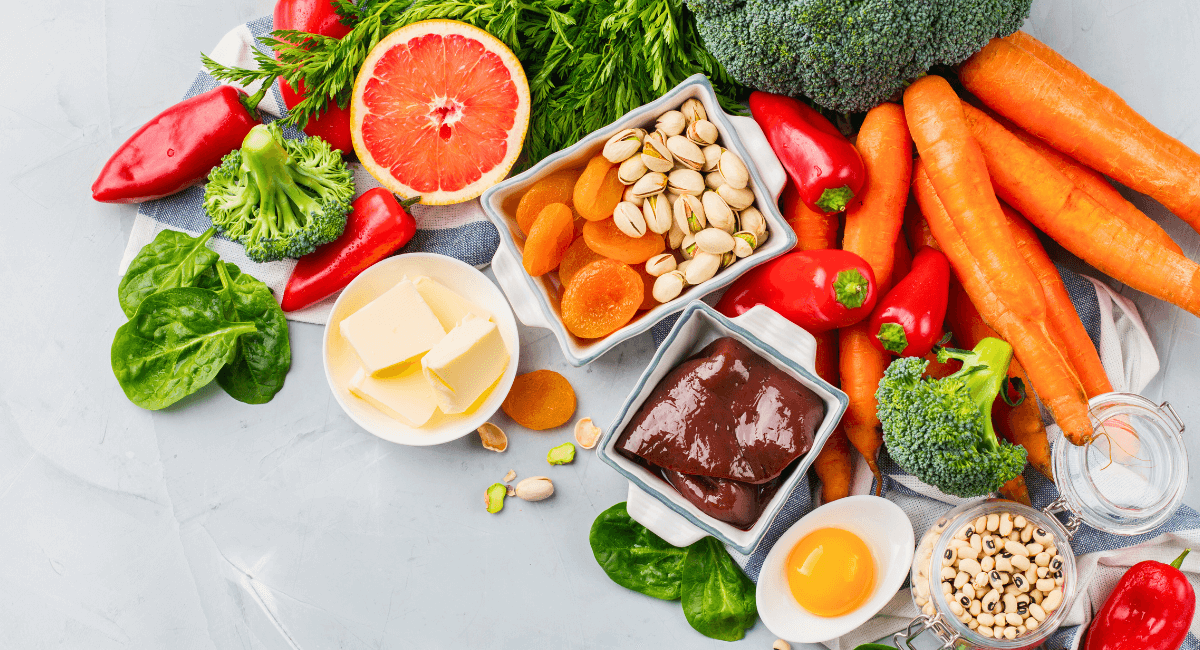
A simple place to begin is with small additions. Adding vegetables, a serving of fruit, a source of protein, or a whole-grain option can provide additional nutrients without making meals more complicated.
A familiar meal can often be made more balanced by including:
- A source of protein
- Fruits or vegetables
- A suitable source of carbohydrates
- Healthy fats in appropriate amounts
- Water or another suitable drink
The exact combination depends on individual nutritional needs, but variety is generally more useful than relying heavily on one type of food.
The Importance of Protein
Protein is needed for the growth, repair, and maintenance of body tissues. It is also found in many everyday foods, so adding protein does not require a complicated meal plan.
Common sources include:
- Eggs
- Dairy products
- Fish
- Poultry
- Beans
- Lentils
- Soy products
- Nuts and seeds
Including an appropriate source of protein in a meal can help provide a feeling of fullness and make the meal more satisfying.
Protein requirements vary between individuals, so dietary needs should be considered based on factors such as age, activity level, lifestyle, and overall health.
Do Not Forget About Fibre
Fibre is another part of nutrition that can easily be overlooked.
Vegetables, fruits, whole grains, beans, lentils, nuts, and seeds naturally contain fibre. Adequate fibre can support normal digestive health and may also contribute to feelings of fullness.
For someone who does not usually consume much fibre, gradually increasing intake may be more comfortable than making a sudden change. Drinking enough fluids is also important when increasing dietary fibre.
Water: A Daily Nutrition Essential
It is easy to become focused on food and forget about hydration.
Water is essential for normal body functions, and fluid requirements can vary depending on factors such as weather, physical activity, age, diet, and individual health.
Keeping water available throughout the day can make regular hydration easier. Fluid needs may also increase during hot weather or periods of physical activity.
Hydration does not need to be complicated. Paying attention to thirst and maintaining regular fluid intake can be a simple part of everyday health.
Food and Energy Go Hand in Hand
Food provides the energy needed to get through a workday, study, exercise, walk, and complete everyday household activities.
Eating patterns can influence how energy levels feel throughout the day. Meals containing a combination of carbohydrates, protein, healthy fats, and fibre can provide a wider range of nutrients.
However, energy requirements are not the same for everyone. A person who is physically active may have very different nutritional needs from someone who spends most of the day sitting.
Nutrition therefore cannot follow one standard that works for everyone. Individual needs matter.
Favourite Foods Can Still Be Part of a Healthy Diet
Healthy eating does not mean giving up every favourite food.
Sweets, desserts, fried foods, and other treats can still be enjoyed as part of a balanced eating pattern. What matters is how frequently they are consumed and what the overall diet looks like.
Constant restriction can make healthy eating frustrating and difficult to maintain. A flexible approach is often more realistic in the long term.
Food is also about enjoyment, culture, family, and social occasions. A healthy approach to nutrition can make room for all of these things.
How Nutritional Needs Change as We Grow Older
Nutritional requirements can change throughout life.
Children need sufficient nutrients to support growth and development. Adults may have different nutritional needs depending on lifestyle and activity levels. Older adults may require particular attention to protein, fibre, fluids, and certain vitamins and minerals.
Pregnancy, breastfeeding, athletic training, and certain medical conditions can also affect nutritional requirements.
For this reason, general dietary advice may not be suitable for everyone.
When Personalised Nutrition Advice May Help
General nutrition information can be a useful starting point, but some situations require more specific guidance.
A qualified dietitian, nutritionist, doctor, or other healthcare professional can consider factors such as medical history, lifestyle, dietary habits, nutritional needs, and specific health concerns.
Professional advice can be particularly useful when managing a health condition affected by diet or when planning significant changes to eating habits.
Making Healthier Eating Easier
There is no need to change an entire lifestyle overnight to start eating better.
Small changes can gradually become normal habits. Some practical places to start include:
- Preparing more meals at home
- Adding vegetables to familiar meals
- Choosing whole grains more often
- Including suitable protein sources
- Drinking enough water
- Becoming more aware of portion sizes
- Adding more variety to regular meals
There will still be imperfect days. That is normal.
The goal is not to eat perfectly. The aim is to develop an eating pattern that provides nourishment and can realistically be maintained over the long term.
Conclusion
Good nutrition is not about following every new food trend or creating the perfect meal every day.
It is about providing the body with a variety of nutrients, staying hydrated, enjoying food without unnecessary guilt, and creating habits that fit realistically into everyday life.
Small changes might not seem significant at first, but when repeated consistently, they can gradually become part of a healthier lifestyle.
When specific health conditions or dietary requirements are involved, professional advice can provide more personalised and appropriate guidance.