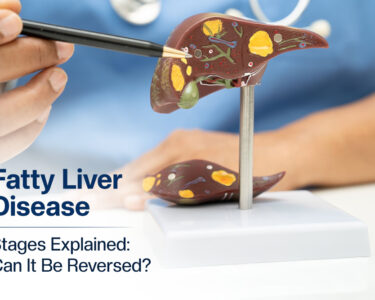


Chronic diseases often develop over time. In the early stages, high blood pressure, type 2 diabetes, heart disease, some cancers, and chronic lung diseases may not cause noticeable symptoms. By the time symptoms become apparent, the condition may already require long-term management.
The good news is that many factors associated with chronic disease can be influenced through daily habits and appropriate medical care. Preventive health does not require an extreme diet or an unrealistic exercise routine. Small, steady, manageable choices can make a meaningful difference over time.
The Importance of Preventing Chronic Disease
Chronic diseases are among the leading causes of illness, disability, and health care costs in the United States. Many of these conditions share common risk factors, meaning that healthy habits can benefit multiple areas of health.
For example, regular physical activity can support cardiovascular health while also helping with blood sugar management, weight control, and overall fitness. Healthy eating can provide essential nutrients while helping lower the risk of several chronic diseases.
Prevention is less about doing everything perfectly and more about consistently making healthier choices.
Build a Balanced Eating Plan
Eating healthy does not mean cutting out entire food groups or following complicated meal plans.
A healthy eating pattern may include:
- Fruits and vegetables
- Whole grains
- Beans, lentils, and other high-fiber foods
- Lean sources of protein
- Nuts and seeds
- Low-fat or fat-free dairy products, when appropriate
- Healthy sources of unsaturated fats
Frequently consuming highly processed foods, added sugars, excessive sodium, and oversized portions can make healthy eating more difficult.
The overall eating pattern matters more than any single meal. One practical approach is to make nutritious foods the regular foundation of meals while allowing occasional less nutritious choices without viewing them as a failure.
Healthy eating is associated with several benefits, including support for a healthy weight, digestion, muscles, bones, immune function, and cardiovascular health.
Incorporate Exercise Into the Routine
Physical activity is one of the most helpful habits for reducing the risk of chronic disease.
Exercise does not have to mean spending hours in a gym. An active lifestyle can include walking, cycling, swimming, recreational sports, dancing, strength training, and other forms of movement.
Regular physical activity can help reduce the risk of heart disease, type 2 diabetes, some cancers, and other health conditions. It can also help manage certain long-term conditions after they develop.
For people who spend much of the day sitting, adding movement throughout the day can be a practical place to start. Short walks, standing breaks, household activities, and planned exercise can all contribute to a more active routine.
Stay Away From Tobacco and Limit Excessive Alcohol Use
Tobacco use remains an important modifiable risk factor for chronic disease. Avoiding cigarettes and other tobacco products can reduce health risks and support better long-term health.
Alcohol also deserves attention. Excessive alcohol consumption can contribute to various health problems, making moderation and awareness of drinking patterns important parts of preventive health.
For people who smoke, quitting can be one of the most important health changes to make. Support from a health professional, quit-smoking program, or other evidence-based resource can make the process more manageable.
Watch the Numbers That Matter to Your Health
Some chronic conditions can go undetected because they may not cause obvious symptoms in their early stages.
Routine health care can help identify problems such as:
- High blood pressure
- High cholesterol
- High blood sugar
- Unhealthy changes in weight
- Other cardiovascular risk factors
Regular screenings and preventive appointments can also help detect certain diseases earlier, when treatment and lifestyle changes may be more effective.
Screening schedules are not the same for everyone. The appropriate tests can depend on age, sex, family history, existing health conditions, medications, and other individual risk factors.
Don’t Ignore Family Health History
Genetics can make some people more susceptible to certain chronic conditions. Individual risk may be influenced by a family history of heart disease, diabetes, certain cancers, or other diseases.
Knowing the medical history of close family members can be helpful during medical appointments. Health care providers may use this information to determine whether additional monitoring or earlier screening could be appropriate.
A family history does not guarantee that a disease will develop. It is one of many factors that can influence overall health risk.
Sleep and Stress Are Also Important
Sleep and stress are not always discussed when it comes to chronic disease prevention, but both can affect overall health.
Sleep problems can affect energy, concentration, appetite, mood, and daily functioning. When stress remains unmanaged for long periods, maintaining healthy routines can also become more difficult.
A consistent sleep schedule, regular physical activity, healthy eating, social connections, and realistic stress-management strategies can all contribute to overall well-being.
When ongoing sleep problems, severe stress, or significant changes in mood begin to interfere with everyday life, professional support may be appropriate.

Small Changes Are Easier to Maintain
One common mistake when trying to improve health is attempting to change everything at once.
Making one or two realistic changes at a time may be more sustainable. Examples include replacing sugary drinks with water more often, adding vegetables to one daily meal, taking regular walks, reducing tobacco exposure, or establishing a more consistent bedtime.
Small improvements are more likely to become lasting habits when they are realistic enough to maintain.
Prevention Is a Long-Term Process
No single habit can provide complete protection against chronic disease. Health outcomes can be influenced by genetics, age, environment, access to health care, and many other factors.
However, healthy eating, regular physical activity, avoiding tobacco, responsible alcohol use, adequate sleep, stress management, and appropriate preventive care can all play a role in reducing many preventable health risks.
The goal is not perfection. The aim is to build healthier habits that can be maintained for years rather than weeks.
Regular conversations with a qualified health professional can also help identify individual risk factors and determine which preventive services and screenings may be appropriate.