

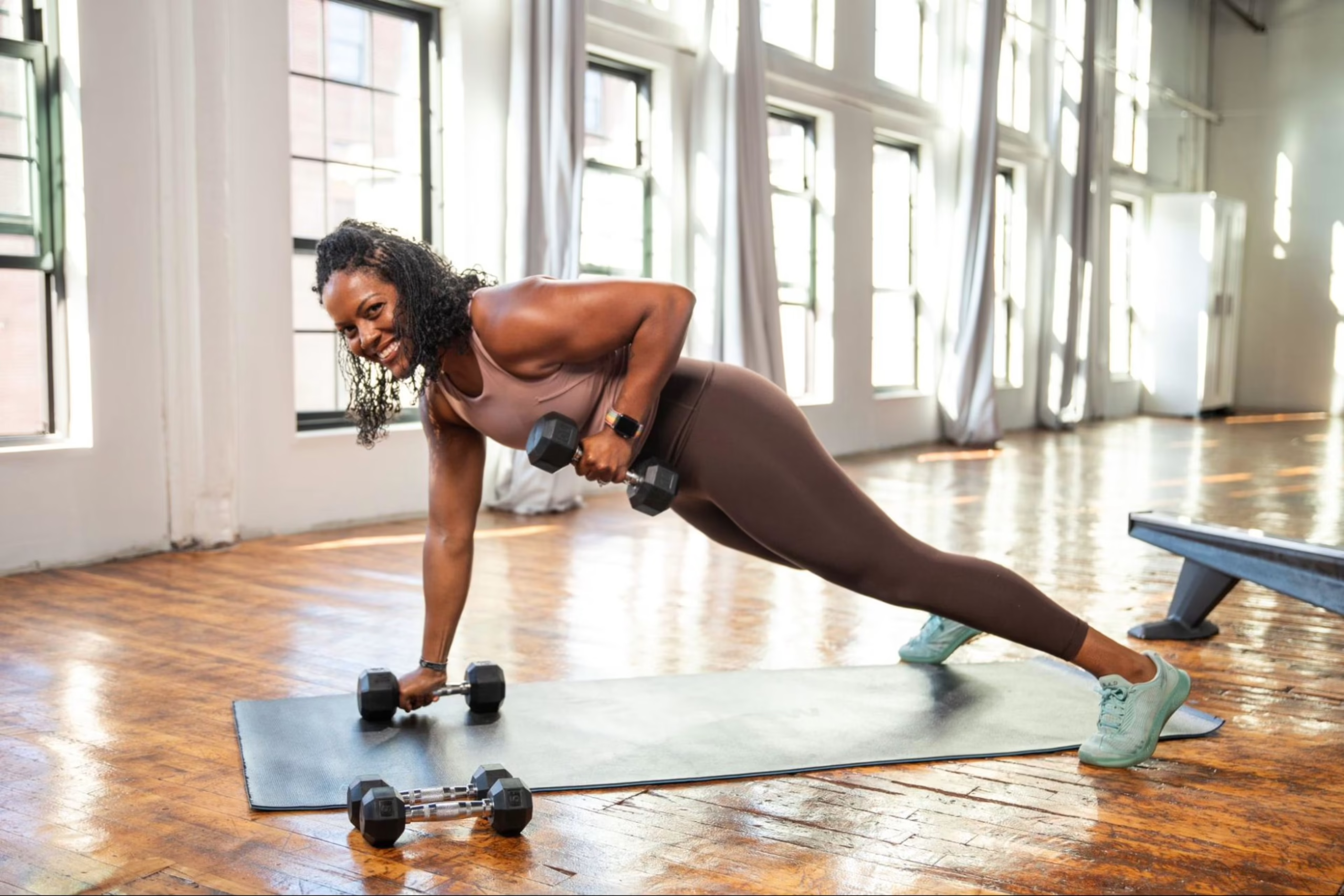
Exercise is often associated with crowded gyms, strict workout routines and intense training sessions. But getting active does not have to look like that. Movement can be as simple as a morning walk, a bike ride, a few stretches between work or a quick strength session at home.
The difficult part for many people is not knowing that exercise is important. It is finding a way to fit regular physical activity into everyday life. Work, family responsibilities, long commutes, screen time and simple tiredness can make exercise difficult to maintain.
The good news is that physical activity does not have to be perfect to be beneficial. A little movement on a regular basis can support both physical and mental wellbeing.
Benefits of Physical Activity
The body was built to move. Regular physical activity supports the heart and circulation while helping strengthen muscles and bones. It can also improve stamina, balance, flexibility and the ability to carry out everyday activities with less effort.
Exercise is also closely connected to mental wellbeing. Physical activity can help relieve stress and improve mood. A walk after a long day, for example, can provide a change of scenery and a chance to clear the mind.
Regular movement may also support better sleep. People who stay physically active often find it easier to maintain a healthy sleep routine. However, exercising too close to bedtime can make it harder for some people to wind down.
No Gym Required
The idea that a good workout requires gym equipment can make exercise seem much more complicated than it really is.
Walking is one of the simplest ways to add more movement to the day. Taking the stairs instead of the elevator, walking while running everyday errands or taking a short walk during lunch can all increase daily activity.
Cycling, swimming, dancing and recreational sports are other options. The specific activity matters less than finding something enjoyable enough to do regularly.
Home workouts can be effective as well. Expensive equipment is not always necessary to create a challenging session. Bodyweight exercises such as squats, lunges, push-ups and basic core exercises can provide a useful workout using very little equipment.
Can There Be Too Much Exercise?
There is no single amount of exercise that is right for everyone. Fitness level, age, health conditions, lifestyle and personal goals all affect how much activity is appropriate.
For adults, general health recommendations include regular aerobic activity along with muscle-strengthening exercises. Moderate activities can include brisk walking, cycling on level ground or other activities that noticeably increase breathing and heart rate while still allowing normal conversation.
Strength training becomes particularly valuable with age because muscle mass and strength naturally decline over time. Resistance exercises can help support muscle strength, bones, balance and everyday physical function.
Starting too intensely can make exercise difficult to maintain and may increase the risk of injury. After a long period of inactivity, short and manageable sessions are often a better starting point than attempting an intense workout immediately.
What Happens When Exercise Becomes a Habit?
The benefits of exercise are not always obvious after a single workout. Consistency is where much of the difference comes from.
A short walk may initially feel like nothing more than a chance to get some fresh air. With regular movement, stamina can gradually improve and everyday activities may start to feel easier. Over time, strength training can also make lifting, carrying and climbing stairs less demanding.
There can be psychological benefits too. When movement becomes part of a daily routine, exercise starts to feel less like another task that needs to be negotiated and more like a normal part of life.
Rest Is Part of Fitness Too
More exercise is not necessarily better. Rest gives the body time to recover, particularly after demanding training sessions.
Muscles need time to recover after strength training, and repeatedly exercising through significant pain or exhaustion can increase the risk of injury. Recovery also depends on other basics such as adequate sleep, hydration and nutrition.
Rest days do not necessarily mean complete inactivity. Gentle walking, stretching or other low-intensity activities may be suitable depending on the individual and the type of training involved.
How to Find a Workout Routine That Lasts
A fitness routine is much easier to maintain when it fits naturally into everyday life. Someone who dislikes running is unlikely to enjoy forcing themselves into a running routine every morning. Walking, swimming, dancing, cycling or strength training may be a better option.
It can also help to set realistic expectations from the beginning. Exercising for around twenty minutes several times a week may be much more sustainable than creating a demanding schedule that quickly becomes difficult to follow.
Enjoyment matters too. When physical activity feels like punishment, staying motivated can become difficult. Choosing activities that are enjoyable, social or relaxing can make regular movement feel less like a chore.
When to Take Extra Care With Exercise
Exercise is generally beneficial for health, but not every type of exercise is suitable for everyone. Certain medical conditions, existing injuries or long periods of inactivity may require professional advice before starting a new exercise programme.
Severe chest pain, fainting, unusual shortness of breath or other concerning symptoms during exercise should not simply be pushed through. Stopping the activity and seeking appropriate medical advice is important when serious symptoms occur.

Fitness Is About More Than Looking Good
Exercise is often promoted as a way to change body shape or lose weight, but its benefits go far beyond appearance.
Regular physical activity supports heart health, muscle strength, mobility, energy levels, sleep and mental wellbeing. These benefits can become especially important with age as the body naturally changes.
Not every workout needs to be intense. A regular walking routine combined with some strength training, mobility work and enough recovery can provide a strong foundation for overall fitness.
Even Small Movements Count
A perfect workout routine is not necessary to become more active. The important thing is finding realistic ways to move regularly and gradually turning those activities into everyday habits.
Some days may allow for a full workout, while other days may only leave time for a short walk or a few minutes of stretching. Both can be part of an active lifestyle.
Fitness is not an all-or-nothing process. It is about finding a routine that works in real life, supports the body and can be maintained over the long term.