
Good health is often linked with big changes. It is easy to think that becoming healthier means following a strict diet, starting an intense workout routine or completely changing a lifestyle. The truth is that many small things that happen throughout the day can have an effect on overall health.
Sleep, food, movement, hydration, stress and regular health checks all play an important role. None of these needs to be perfect. What matters most is building habits that can realistically fit into everyday life.
What Does Good Health Really Mean?
Good health is about more than simply not being sick. It also involves physical and mental wellbeing and having enough energy and ability to manage everyday activities.
Energy levels, sleep quality, digestion, mobility, mood and stress can all provide clues about how the body and mind are functioning. These areas are also connected. Poor sleep can affect energy and concentration, while long-term stress can interfere with sleep, eating habits and general wellbeing.
Health can also change throughout life. Habits that work well at one stage may need to change as age, lifestyle, responsibilities and personal circumstances change.
Movement Counts in Daily Life
The body needs regular movement to stay strong and function properly. Physical activity supports the heart, muscles, bones and joints while also helping maintain balance, flexibility and mobility.
Exercise does not always have to mean following a structured workout. An active lifestyle can include walking, cycling, gardening, household chores, stretching or taking the stairs.
When most of the day is spent sitting, it can be easy to forget to move. Taking short breaks to stand, stretch or walk around can be a simple way to break up long periods of inactivity.
Food Is About More Than Calories
Food provides the nutrients the body needs for energy, growth, repair and normal functioning. Healthy eating does not have to mean eliminating certain foods or following complicated dietary rules.
Eating a variety of foods, including vegetables, fruits, whole grains, protein sources and healthy fats, can help provide a broad range of important nutrients. The amount and type of food needed can vary depending on age, activity level, dietary requirements and overall health.
Paying attention to hunger and fullness can also make meals more enjoyable. Not every meal needs to be perfect. The overall eating pattern across days and weeks is generally more important than one individual meal.
Keep the Body Hydrated
Water is essential for many functions in the body. It helps regulate body temperature, supports digestion and allows the body’s systems to function properly.
Fluid requirements can vary depending on factors such as weather, physical activity, diet, age and individual circumstances. During hot weather or exercise, more water can be lost through sweat, which may increase fluid needs.
Keeping water nearby throughout the day can make regular hydration easier. Thirst can also be an important signal, although older adults may not always experience thirst as strongly.
Sleep Is Good for Overall Health
When life becomes busy, sleep can sometimes be one of the first things to get pushed aside. Regularly getting too little sleep, however, can affect concentration, mood, energy and physical recovery.
Going to bed and waking up at around the same time each day can help create a more consistent sleep rhythm. A comfortable sleeping environment and avoiding stimulating activities before bedtime may also make it easier to relax.
Occasional poor sleep is normal. However, persistent difficulty falling asleep, staying asleep or waking up feeling rested may be worth discussing with a healthcare professional.
Do Not Underestimate Stress
Stress is a normal reaction to challenging situations. Short periods of stress can help the body respond to immediate demands, but long-term stress can become exhausting.
Ongoing stress can contribute to headaches, muscle tension, poor sleep, irritability and difficulty concentrating. It can also make it harder to maintain other healthy habits.
Everyday stress can sometimes be managed through regular breaks, physical activity, enjoyable hobbies, time outdoors and conversations with supportive people. When stress becomes overwhelming or starts interfering with everyday life, professional support may be helpful.
Routine Health Screenings Matter Too
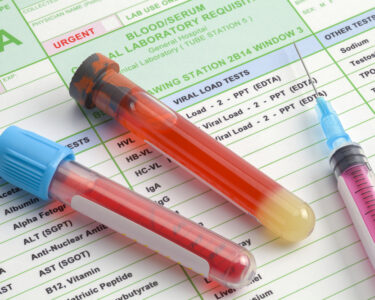
Feeling healthy does not always mean that everything is working perfectly. Some health problems can develop without obvious symptoms, which is why appropriate healthcare and routine screenings can be important.
Depending on individual circumstances, routine healthcare may include checking blood pressure, cholesterol and other health indicators. Screening recommendations can vary based on factors such as age, sex, family history and individual risk.
A healthcare professional can provide guidance about which check-ups and screenings are appropriate.

Small Habits Are Easier to Maintain
Trying to change everything at once can quickly become overwhelming. A more realistic approach may be to work on one habit at a time.
That could mean starting with a short daily walk, following a more regular sleep schedule, adding another serving of vegetables to a meal or taking regular breaks from sitting.
Small habits may not seem significant at first, but repeated consistently over months and years, they can become an important part of a healthier lifestyle.
Health Is a Long-Term Process
There is no single health routine that works for everyone. Different bodies, lifestyles and personal circumstances require different approaches.
Health is not about following every rule perfectly. It is about creating daily habits that support physical and mental wellbeing while still allowing enough flexibility for everyday life.
Good health is rarely the result of one big decision. It is more often the result of many small decisions made consistently over time. Regular movement, nutritious food, enough sleep, adequate hydration, stress management and appropriate healthcare can all help build a stronger foundation for long-term wellbeing.