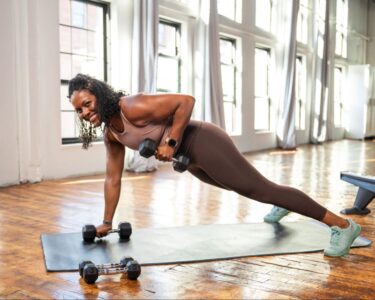


It doesn’t always take a gym, a strict diet, or an elaborate workout plan to get fit. For most people it starts as simple as getting more active and making physical activity a regular part of your day to day life.
A short walk after dinner, a bike ride on the weekend, a few strength exercises at home or an active afternoon outside can all improve fitness. There’s no one way to get active and the best routine is often one you can realistically stick to for months and years.
Regular physical activity can help promote heart health, muscle strength, bone health, mobility, sleep and mental health. It can also help with daily tasks like climbing stairs and carrying groceries, and keeping up with family activities.
So fitness is not athletic performance only. It’s also about maintaining a body that can move freely and deal with the demands of daily life.
Start With Practical Goals
One of the worst things about exercise is that expectations are too high in the beginning. You’re ready to start a new fitness routine but a busy schedule can make it difficult to stay on track.
A better approach is to begin by organizing manageable activities. If you have not been active for a while, try starting off with short walks or gentle exercises and build up gradually.
Little improvements accumulate. Ten or fifteen minutes of activity at one time may not seem like much, but regular activity repeated over time can be meaningful.
Fitness goals aren’t set in stone. The first goal may be to get more active and then to improve strength, endurance, balance or flexibility.
The trick is to make a routine that fits into normal life, not a schedule that becomes another stress.
Discover Fun Things To Do
It’s easier to stick with it if it doesn’t feel like punishment.
Not everyone wants to run on a treadmill or lift weights in a gym. Physical activities can include walking, swimming, cycling, dancing, hiking, recreational sports, and outdoor activities.
Good is pleasure. We tend to get into the habit of things that are comfortable and interesting.
Social activities can also increase movement fun. Exercise can be social, walk with friends, join a recreational sports group or join a fitness class.
Not all workouts have to be the same. Keeping routines interesting and training different facets of physical fitness.
Heart Health
Cardio exercise is any activity that gets your heart pumping for some period of time. Brisk walking, cycling, swimming, jogging and dancing are typical examples.
Regular aerobic exercise can improve endurance and promote cardiovascular health. It can also make the physical chores of everyday life feel less taxing.
The Physical Activity Guidelines for Americans recommend that adults get at least 150 to 300 minutes per week of moderate-intensity aerobic activity or 75 to 150 minutes per week of vigorous-intensity activity. It suggests muscle-strengthening activities at least two days a week.
These recommendations are good goals, but you don’t have to achieve all of them at once. A sedentary person can gradually increase activity.
So any movement is a good start, a little bit of movement.
Why You Should Lift Weights
Strength is good in all walks of life. Strong muscles aid in movement, balance and daily physical activities.
Strength training can include free weights, resistance machines, resistance bands or body weight exercises. Well-executed movements like squats, lunges, presses and rows can train different muscle groups.
“It’s especially important to keep our muscles up as we get older. Muscle strength naturally declines with age, but consistent resistance training can help to slow this down.
You don’t have to lift heavy weights to become strong. The appropriate level of resistance will depend on your fitness level, your experience and your personal circumstances.
Good form will always beat simply adding weight. Over time, you can build strength in a safer way and gradually.
Attention to Flexibility and Mobility
Strength and cardiovascular fitness get a lot of press, but flexibility and mobility tend to be overlooked.
Mobility is the capacity to move joints and the body through comfortable ranges of motion. Mobility is important to help you move around and do physical activities in your everyday life.
You can do stretching before or after exercise depending on the type of activity and mobility exercises can be added into your normal routine.
Simple, repeated movements help to keep flexibility and make daily activities like bending, reaching and moving around easier.
Mental Health and Sport
Exercise isn’t just good for your muscles and your heart. Exercise can also affect your mental health.
Regular movement is shown to improve mood, sleep and reduce symptoms of anxiety and depression. Exercise is a break from work, school, screens, and other daily pressures.
Maybe going out will give you a new perspective. “Get outside and get some exercise by going for a walk in the park, taking a bike ride or doing an outdoor workout.
Physical activity is not a replacement for professional mental health treatment. But regular movement can support overall wellbeing as part of a healthy lifestyle.
Avoid Sitting All Day
Structured exercise is only one facet of an active lifestyle. You may exercise regularly, but you probably still spend long periods sitting during the day.
It’s easy to add more movement to daily routines, breaking up long stretches of sitting. For some easy options you can stand for some tasks, take short walks, use the stairs when you can and move around during breaks at work.
These little changes may not seem like formal exercise but they can contribute to the overall activity of the day.
So a healthy routine is more than what happens in a workout. What happens between workouts matters, too.
Recovery Is a Step in the Process
Exercise stresses the body and recovery allows the body to adapt.
Rest is especially important following hard strength or endurance workouts. Training hard every day without enough recovery can lead to too much fatigue and the risk of overuse problems.
Recovery also has a big sleep component. Getting enough sleep helps your body heal, concentrate and function normally throughout the day.
And plus nutrition and hydration. A well-rounded diet provides nutrients needed to keep the body functioning normally. Drink plenty of fluids to keep yourself hydrated.
Recovery should not be seen as wasted time. This is part of the whole training process.
How to Stop Being a Perfectionist
Sometimes the fitness culture creates unrealistic expectations. Social media is often full of perfectly edited photos of workouts, bodies and transformation stories that can make normal progress feel like not enough.
Real fitness isn’t something you get over nite.
Some weeks there may be a couple of good workouts, other weeks may be interrupted by work, travel, sickness or family commitments. If you miss a session or two, it doesn’t undo all of the work you’ve done.
The best thing is to get back into a routine when conditions are good. And the perfect week is nowhere near as important as consistency, over months and years.
Staying Active in All Stages of Life
Exercise demands vary according to the life span.
Active play, sports and activities are normally good for kids in that they help them to develop coordination, strength and physical confidence. For adults it may be more about maintaining cardiovascular fitness, strength and mobility, while balancing work and family obligations.
Activities can help older people to keep their muscle strength, balance and co-ordination. These skills are increasingly important in maintaining independence and preventing falls.
The amount and type of exercise you need may also depend on health conditions, injuries, medications and physical limitations. If this is the case you might want to get individual advice from a health care professional.
How to Incorporate Exercise Into Your Daily Routine
You do not have to spend your entire day working out.
Opportunities to move include walking at lunch time, using the stairs, cycling for short journeys, doing housework or spending more time outdoors.
You can help yourself remember to exercise by prearranging structured workouts on specific days and times. Also prepping your workout clothes ahead of time or having basic equipment around the house can eliminate little barriers.
It’s about making physical activity feel like a normal part of life, instead of something you have to keep motivating yourself to do.”
When the Progress Is Slow
Fitness wins aren’t always immediate.
You may feel stronger before you see any changes to your appearance. Eventually, walking or running may become easier. Balance could be better. There could be better recovery between activities.
These changes are real even if you cannot see them on a scale or in a picture.
“Measuring actual real-world gains will give a more realistic picture of progress.” Good signs are: better stamina, better, stronger, more mobile and more confident in physical activities.
Sustainable Approach Is the Best Way
No single exercise routine works best for everyone. When you develop a routine, consider your age, current fitness level, health, schedule and personal preferences.
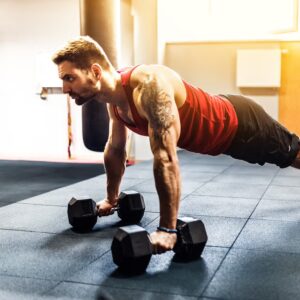
The basics have not changed much: keep moving, vary your exercise, build strength, get enough recovery and don’t make your routine unnecessarily complicated.
These habits can become part of your day to day life. It may not be a massive shift but a daily walk, consistent strength training, active weekends and shorter periods of sitting can add up to a healthier pattern.
Fitness is more than just workouts. It’s about having the strength, flexibility, stamina and energy to live an active life. Sustainability doesn’t have to be perfect. It just has to be real enough to keep going.