


Good health usually does not come from one big change. This is more often the result of long-continued common habits. What you eat, how much sleep you get, how active you are during the day, stress levels, and regular medical care all affect how the body feels and works.
When you’re busy, it’s hard to keep up good habits. Health is often pushed down the priority list by the daily demands of work, family, travel and more. But a series of small, consistent choices can create a strong foundation for long term wellbeing.
Prevention – Why It’s Important
Healthcare isn’t only about treating disease once the symptoms have appeared. Prevention also has an important part to play.
Some health problems can be slow to develop with no apparent symptoms. High blood pressure, high cholesterol and high blood sugar may have no symptoms in the beginning but can lead to serious health problems.
Regular health care can pick up some health problems early. Routine visits may include checking your blood pressure and blood work, vaccinations and screenings recommended for your age, family history and other individual risk factors.
Prevention does not mean you will not get sick. “It just gives you a chance to find potential problems before they are harder to solve.
The Impact of Food on Your Health
Nutrition impacts nearly every aspect of your body. We need food to energize us and for the nutrients our bodies need to function properly. These include vitamins, minerals, protein, healthy fats and fiber.
A healthy variety of foods is vegetables, fruits, whole grains, beans, nuts, seeds and protein sources. Healthy doesn’t have to be hard.
Eating foods high in added sugar, sodium, and unhealthy fats can often add to certain risks to your health, especially when combined with an overall unbalanced diet.
Eating healthy doesn’t mean you can’t eat your favorite foods . The practical approach stresses balance, variety, and habits that can be maintained over the long term.
Why You Need to Move Around
Today’s lifestyle means long hours of sitting whether at a desk, in a car or in front of a screen. Too much inactivity can negatively impact physical fitness and long term health.
Exercise regularly to improve cardiovascular fitness, muscle strength, bone health, balance and mobility. It can also help improve mood and sleep.
Walking is one of the easiest ways to get activity into your day. Other options include cycling, swimming, dancing, recreational sports, strength training, or active hobbies
Federal health guidelines recommend that most adults get at least 150 minutes a week of moderate-intensity physical activity and muscle-strengthening activity on two or more days a week.
And even if you don’t quite hit the full target, adding more movement to a routine that was inactive before is still helpful.
The importance of sleep
Sleep is often the first thing to go when life gets busy. An occasional late nite may not be a big deal but not getting enough sleep on a regular basis can affect your energy, concentration, mood and physical health.
Most adults should get at least 7 hours of sleep every nite. We shouldn’t all be sleep-deprived all the time, but not everyone needs the same amount of sleep.
Getting enough sleep on a regular basis helps the body maintain a regular rhythm. Making a sleep-friendly environment and cutting down on screen time before bed and caffeine late in the day may also help promote better sleep.
Problems sleeping can be long-term. Sometimes heavy snoring, pauses in breathing, frequent awakenings or excessive daytime sleepiness may indicate an underlying sleep disorder.
Dealing with Stress is a Part of Being Healthy
Stress is a normal response to tough situations. Work pressures, money worries, relationships, caregiving and life changes are stressors.
Brief periods of stress are usually normal in daily life. But too much time of stress without enough time to recover can cause problems.
When stress doesn’t go away it can affect sleep, appetite, concentration, mood and physical activity. It may also make it more difficult to treat existing health problems.
Healthy stress management can include regular activity, time outdoors, hobbies, social connections, relaxation methods and adequate sleep.
If stress is impacting daily responsibilities or overall wellbeing, professional help may be warranted.
Don’t Forget the Water
Water plays a vital role in the proper functioning of the body. Your needs for fluids will change with temperature, physical activity, age, diet and overall health.
When you exercise, or in hot weather, you lose more fluid through sweating. Keep your hydration levels normal by drinking fluids throughout the day.
Water is a good choice in general and sugary drinks can contribute extra calories and sugar in the diet.
Each person needs a different amount of water. The amount you need each day depends on a number of factors.
Mental health and healthcare
Health is not only physical. Mental health is another important aspect of health.
Signs that you might need some additional help: Feeling sad for a period of time, worrying all the time, losing interest in things you would normally enjoy, big changes to your sleeping or eating habits, difficulty with everyday tasks. Mental health problems are common and can affect anyone at any point in their life. There is no shame in asking a professional for help.
Mental and physical health can influence each other too. Sleep problems can influence mood and chronic stress can influence physical habits and overall wellbeing.
Why Regular Habits Are More Important Than Perfection
Healthy living is not about living your ideal routine every day.
Some days will be less exercise, less balanced meals, or nites of bad sleep. Setbacks are part of the process. They don’t wipe out all the good habits you’ve accumulated over time.
Consistency is a more realistic aim. Better to be still than to walk a little bit. A healthy meal is still a healthy meal, even if the rest of the day isn’t so balanced. Even if you are a nite owl occasionally, it will be beneficial to retire early most nights.
Small improvements repeated mean more.
What Change Signifies
Being aware of your own health makes it easier to notice changes that require attention.
Unexplained weight changes, persistent fatigue, recurring pain, unusual swelling, changes in digestion, ongoing cough or repeated headaches can have many possible causes. But a symptom does not always mean that there is a serious disease.
However, if symptoms persist or progress, recur or interfere with normal activities, they should be discussed with a healthcare professional.
If you have any sudden and severe symptoms, such as serious trouble breathing, serious chest pain, fainting, sudden weakness, or sudden confusion, call a doctor or go to the hospital right away.
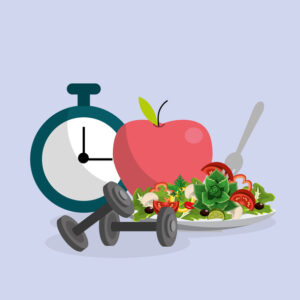
Getting Into a Better Routine Over Time
You don’t have to change your whole life overnight to be healthy. Some minor changes can make a more realistic starting point.
To promote long-term wellbeing, increase your daily activity, eat well-balanced meals, get enough sleep and fluids, manage stress, receive preventive care and pay attention to any unusual symptoms.
Some diseases can be prevented. Besides lifestyle, health can be affected by genetics, age, environmental factors, infections and other influences.
But routines of everyday life are an important piece of the puzzle. With a practical routine, regular care and realistic choices you can support the body and mind through different stages of life.
Good health is not a perfect state. It’s about listening, making good choices, giving the body the attention it needs over time.